
When Scale Meets Trust: The Rombo Girls Maths Camp Story
Imagine eight hundred and forty girls exploring mathematics together in one place, at one time, in Kajiado County. This is where the story of the Rombo Girls Maths Camp begins. In August and early September 2024, St. Maria Rombo Girls STEM Model School hosted a mathematics camp unlike any previously run by SAMI or AMI. The activities themselves were familiar, but the scale was unprecedented and the model behind it marked a significant shift. For the first time, the largest number of students had ever been engaged in a single maths camp under these initiatives—and remarkably, it worked.
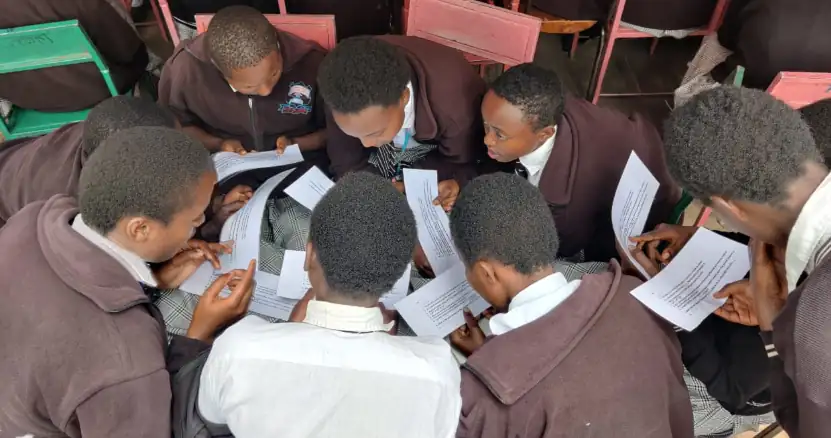
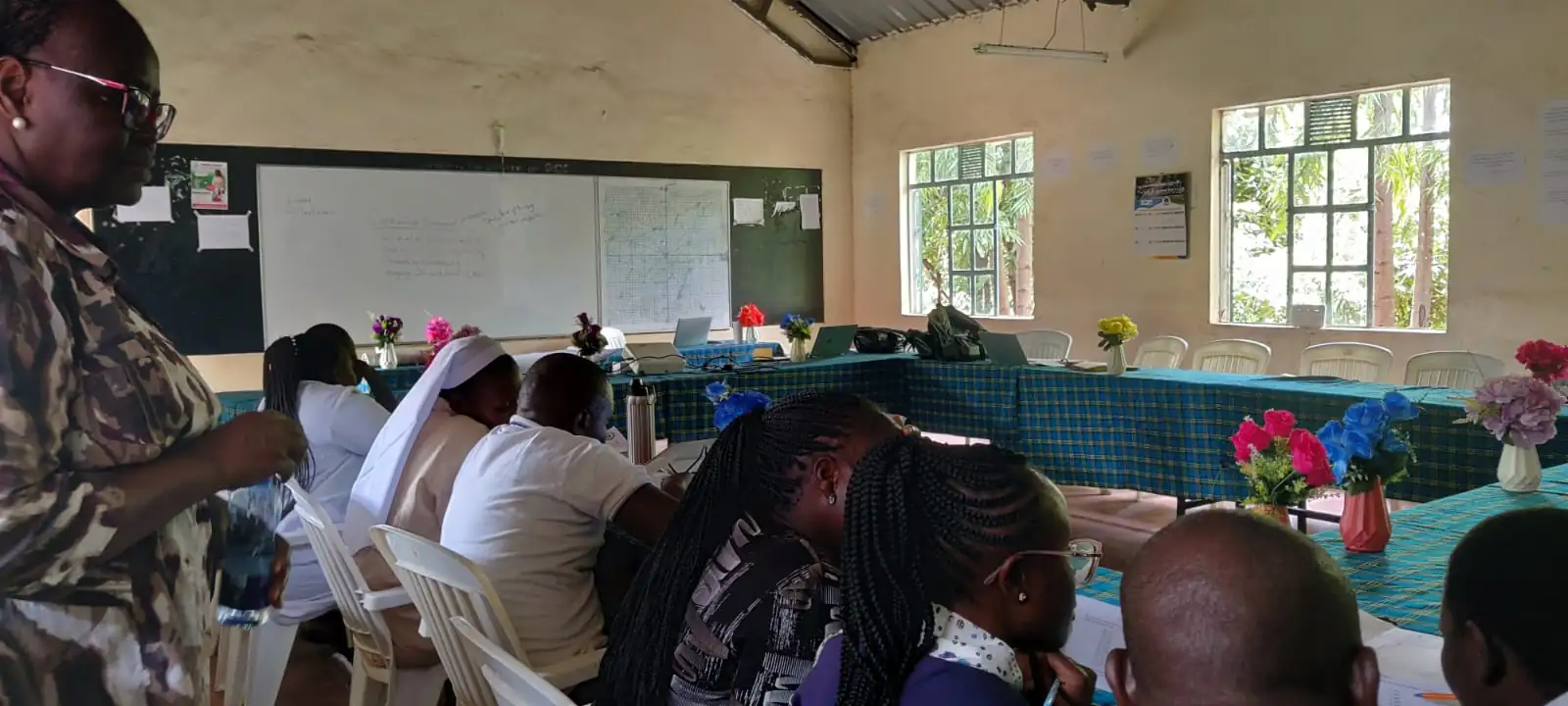
What made this camp different was not gradual expansion but bold trust in teacher leadership. Most camps begin small, testing ideas before scaling up. Rombo reversed this approach. The guiding belief was simple yet ambitious: if teachers are well prepared, they can lead learning at scale. Instead of relying on many external facilitators, the focus shifted to empowering more local educators. Fourteen maths and science teachers from Rombo Girls and a neighbouring school were trained in advance. Together they planned, experimented, adjusted, and refined activities using Virtual Maths Camp (VMC) resources as their foundation. By the time students arrived, the teachers were not only ready—they were confident.
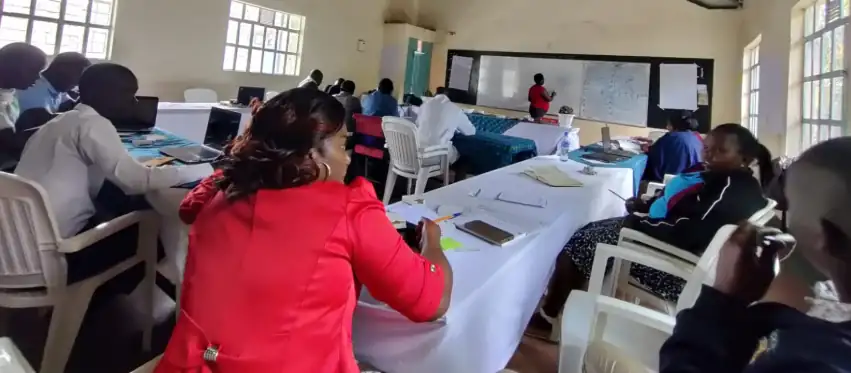
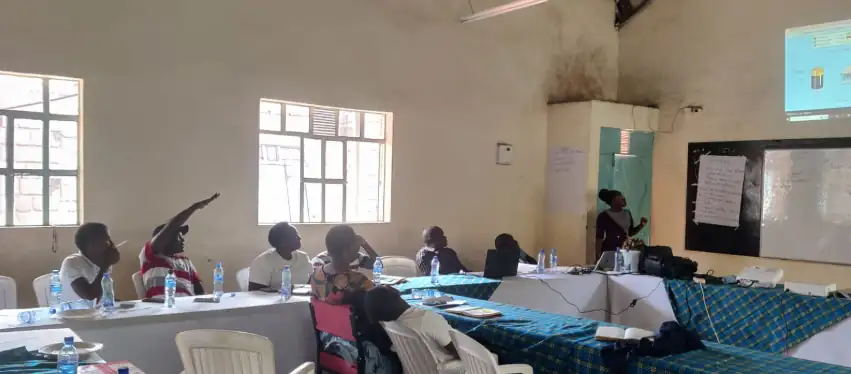
Over four days of intensive planning before the students arrived, teachers experienced the camp as learners themselves. They played the 21 game and the 15 game, engaged in Quick Maths, explored Counting with Geometry, and examined factors and multiples. They debated strategies, laughed at unexpected outcomes, and reflected on how students might respond. Technology also played a role: GeoGebra and PhET simulations helped them visualize how digital tools could support mathematical thinking. Working in breakout groups, they used VMC card decks to design sessions suitable for hundreds of learners while discussing inclusivity, pacing and how to reduce potential fatigue. By the end of the planning period, the teachers were ready to welcome the 840 students.
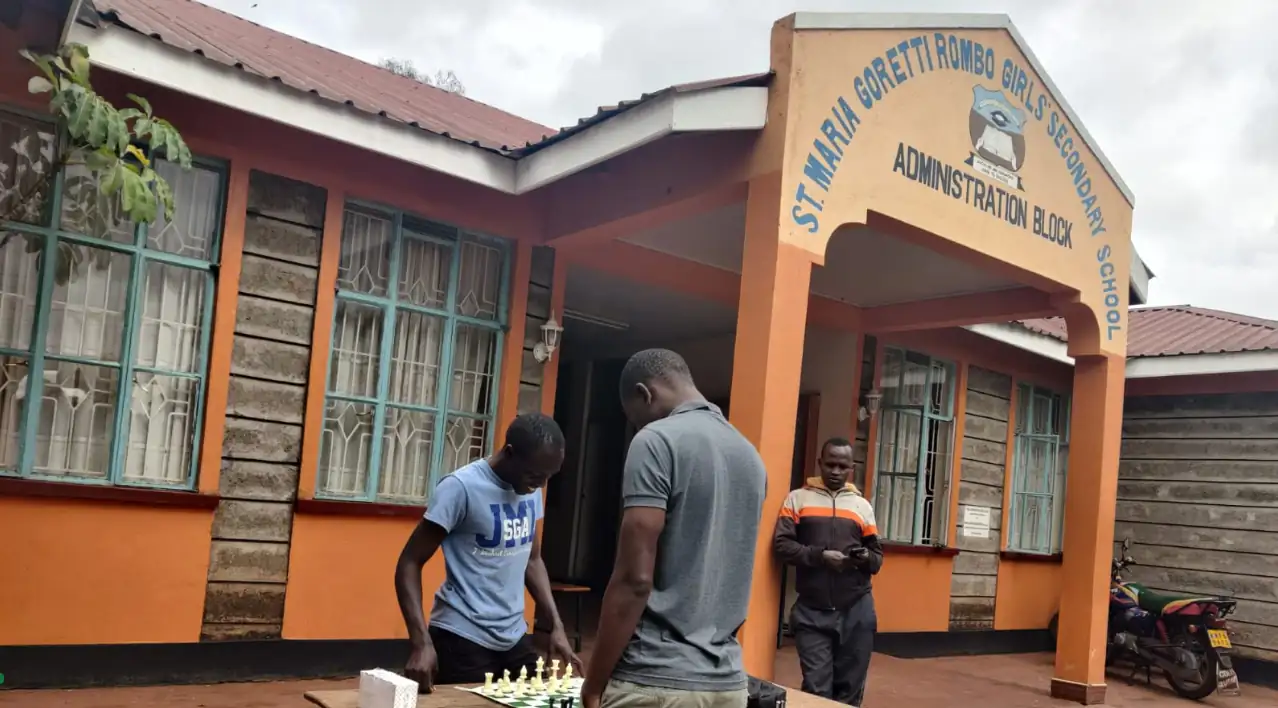
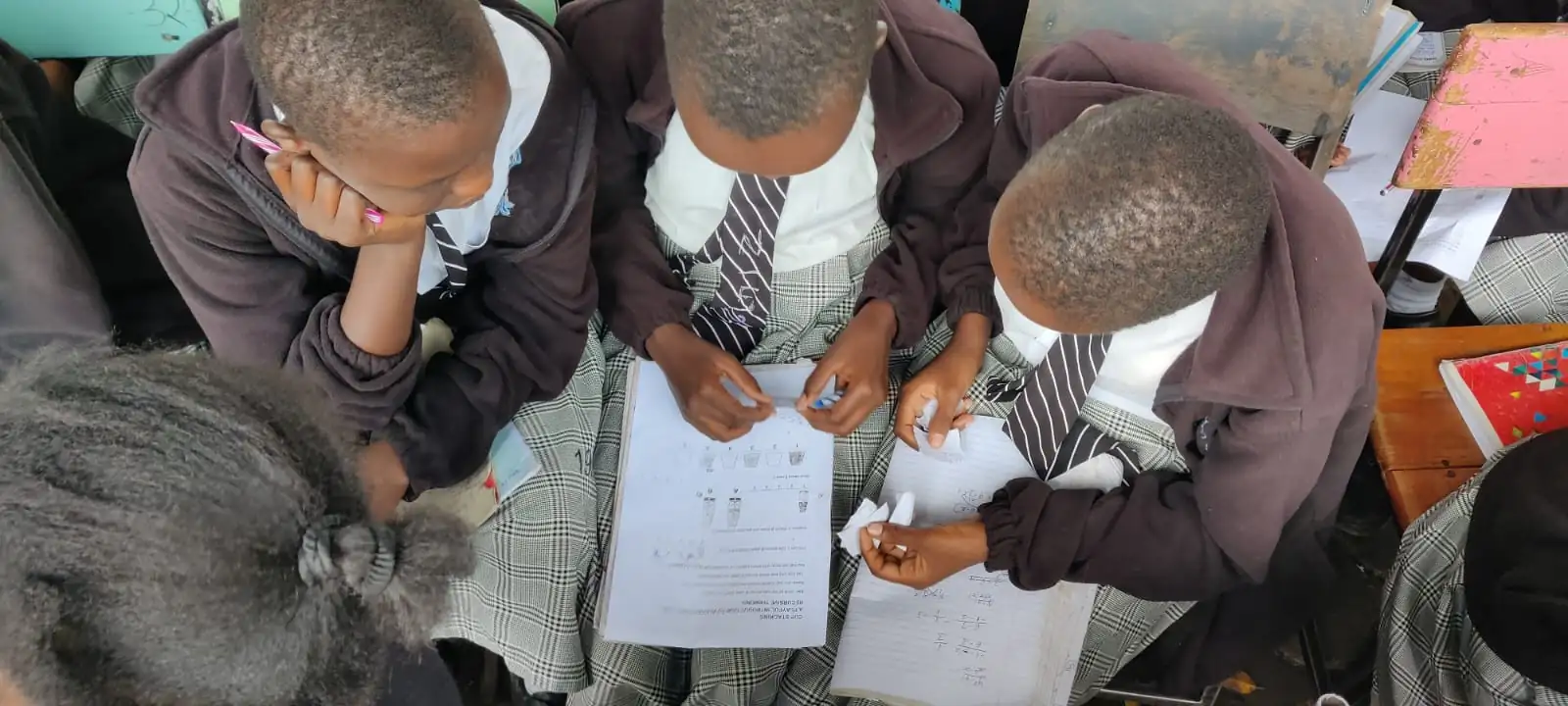
The context of Kajiado County added deeper significance. Rombo Girls is a STEM Model School located in an area where large-scale exposure to creative mathematical thinking is rare, particularly for girls. This camp changed that quickly. For many participants, mathematics became social, physical, and collaborative for the first time. Discussions were student-led, puzzles were facilitated by peers, and reasoning was openly challenged.
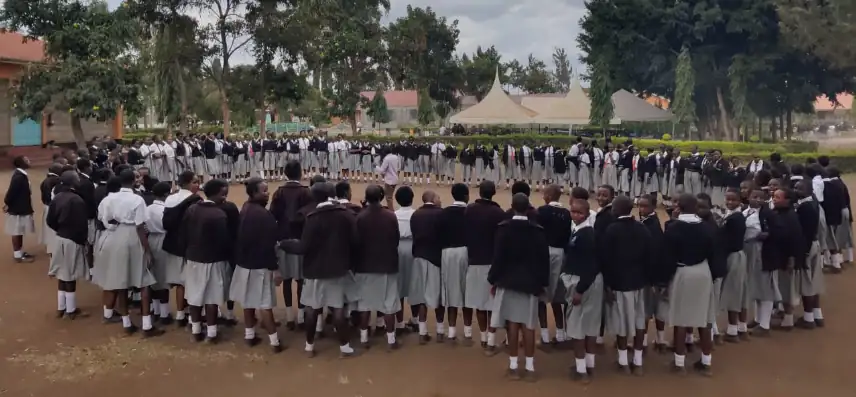
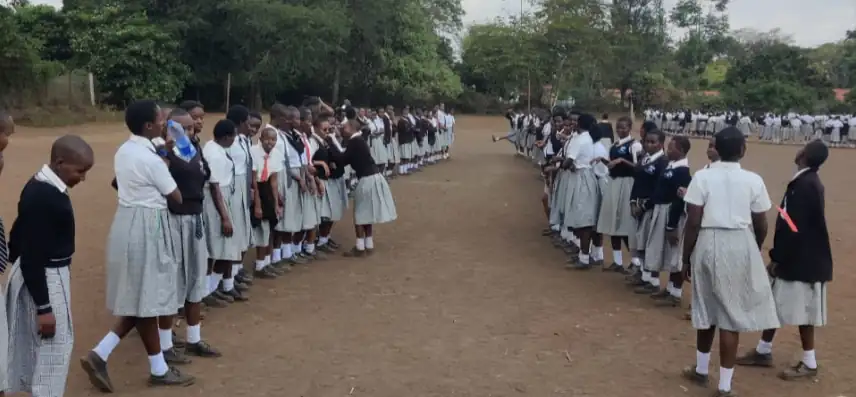
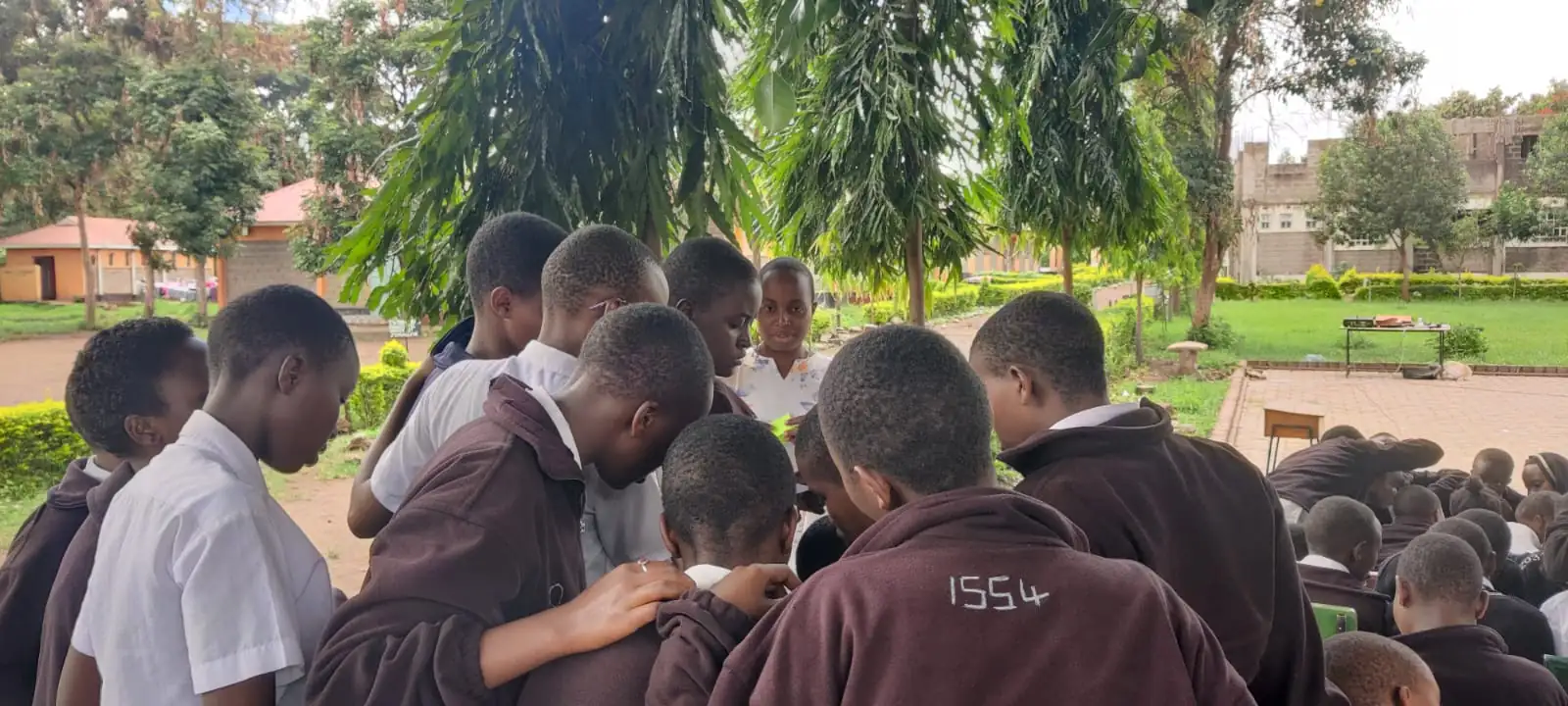
Learning during the camp moved far beyond classroom sessions. Students were divided into five houses, each with its own identity and sense of pride. Math relays stretched across the compound, logic puzzles were solved under trees, and treasure hunts required genuine reasoning to progress. Learners explored mathematical ideas such as Kaprekar’s Number and the Collatz Conjecture, debated probability outcomes, counted paths, and revised their thinking on how to solve mathematical problems. Mistakes were public and unashamed, and failure became part of the process. That openness created an environment where meaningful learning could flourish.
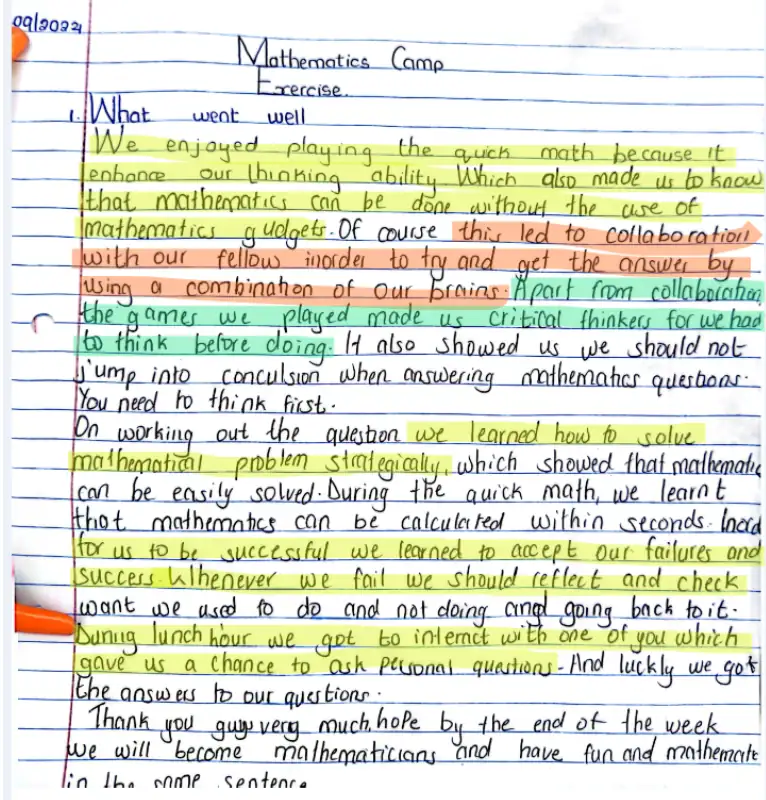
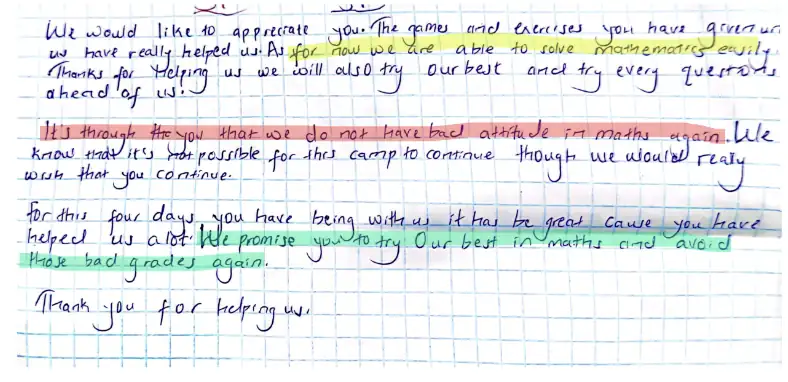
By the second day, a noticeable shift emerged. Students stopped asking whether their answers were correct and began asking what might happen if they tried something new. Teachers observed the change, facilitators felt it, and student journals confirmed it. One group reflected that the four days had helped them greatly and promised to work harder to improve their grades. Others described enjoying learning collaboratively and recognised that mathematics does not always require calculators or formula sheets. The transition from fear to curiosity became the most important outcome of the camp.
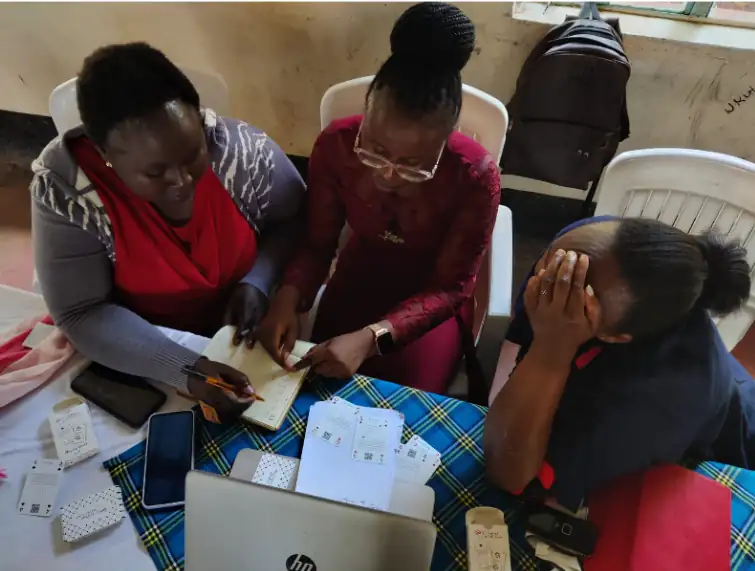
Teachers were central to this transformation. Although five volunteers from the African Maths Initiative supported the camp, they did not run it. Instead, teachers led the sessions, moving among students, asking probing questions, and facilitating discussions. They shifted from explaining concepts to encouraging exploration, using VMC resources as prompts rather than scripts. This change in teaching approach allowed students to take ownership of their learning.
The impact extended beyond the initial event. Because teachers had built confidence and experience, the school requested another camp. In March 2025, a follow-up session took place, building on the momentum of the first. Activities ran even more smoothly, pacing improved, and students arrived already curious and eager to participate. The second camp was not a repetition but evidence of growth and sustainability.
The Rombo Girls Maths Camp set a new benchmark. It demonstrated that large-scale mathematical engagement is possible even in low-resource environments. It showed that girls will flourish when given space and support. Most importantly, it highlighted that teacher empowerment is not optional—it is the strategy. The camp’s influence did not end when the camp closed, and the continuation of the initiative confirms that its impact is ongoing.