
The Holiday That Decides Who Gets Ahead, And Who Gets Left Behind
Term 3 is two weeks old. Eight more weeks stand between now and the long November–December break. When that break arrives, over ten million learners across Kenya will walk out of their classrooms — and into very different worlds.
Some will spend the holiday in tuition centres, holiday camps, and libraries — quietly pulling ahead. Others will spend it exactly where they left off: with no books, no structured learning, and no way to keep the momentum school gave them.
By the time Term 1 reopens in early January, that gap will already be visible. And it didn't happen by accident.
School Was Never the Whole Year
Kenya's 2026 academic calendar runs learners through three terms — January to April, April to July, and August to November — totalling roughly 200 school days out of 365.
That means for well over 150 days a year, a child's learning depends on something other than a teacher and a timetable. It depends on what happens at home, in the neighbourhood, and in the community around them.
Most of us don't think about that second calendar. We should.
Not Every Child Holidays the Same Way
For families who can afford private tuition, holiday camps, or a well-stocked home library, the long break is simply an extension of the classroom.
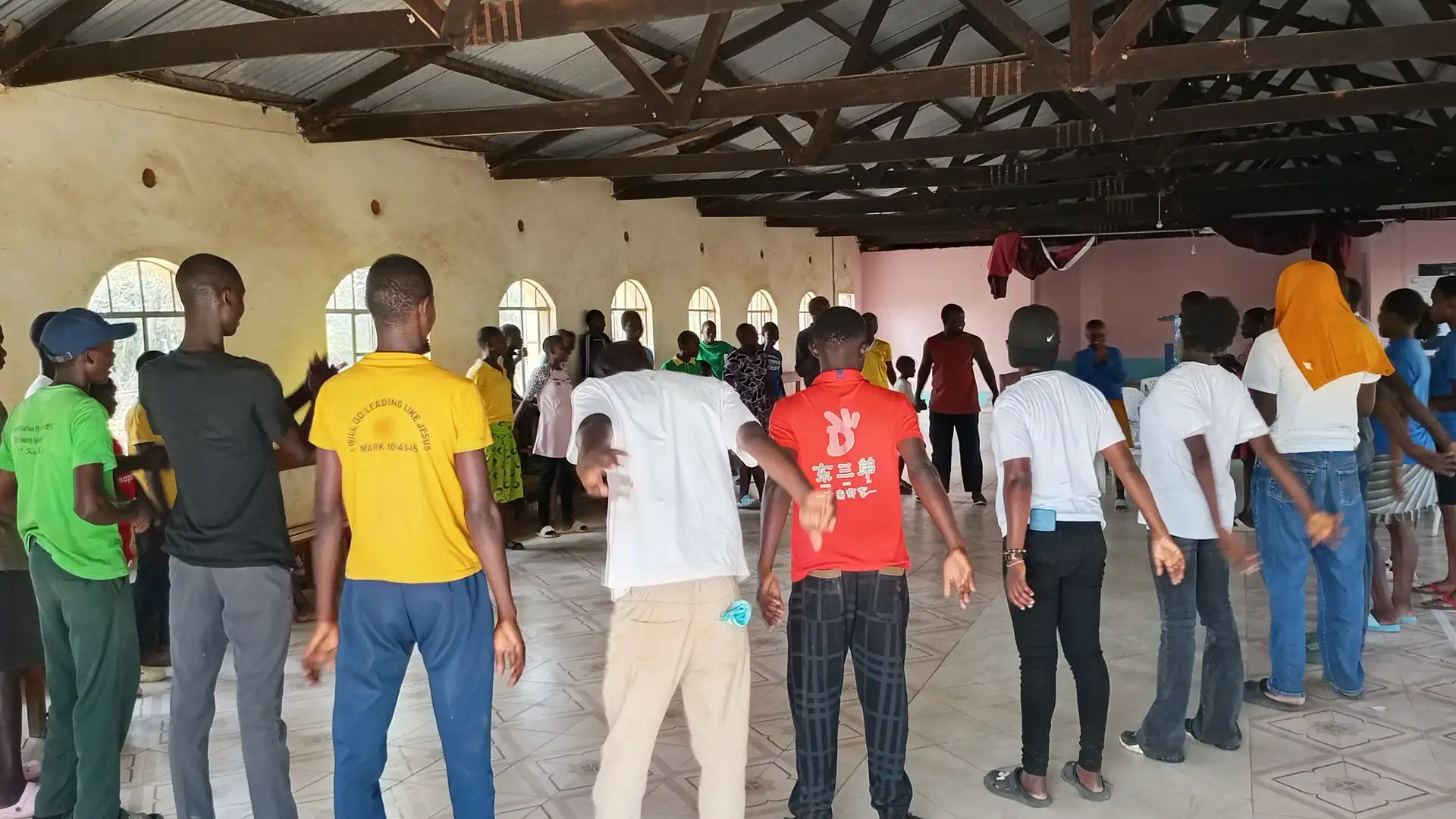
For families who can't, it's a different story. In communities like Nyarongi, in Ndhiwa Sub-county, Homa Bay County, only a small fraction of parents can afford any of these options for their children. For most families here, the holiday isn't a chance to get ahead — it's a stretch of time with no reading material, no structured activity, and no safety net if learning starts to slip.
The result is predictable. Give a class the same test in October and again in January, and you won't just see a difference in scores — you'll see the shape of each child's holiday, written into the numbers.
It's Not Only About What Parents Can Afford
Researchers who study childhood have long noted that families raise children differently — not just because of money, but because of philosophy. Some parents step back and let children's growth unfold on its own. Others actively organise their children's time: enrolling them in activities, seeking out enrichment, shaping how free time is spent.
Both are valid ways to parent. But they don't produce equal outcomes when only one of them has resources behind it. A parenting style built around organised enrichment only works if organised enrichment is actually available nearby.
In most rural communities, it isn't. That's not a parenting failure — it's an infrastructure gap.
What Nyarongi Has Already Proven
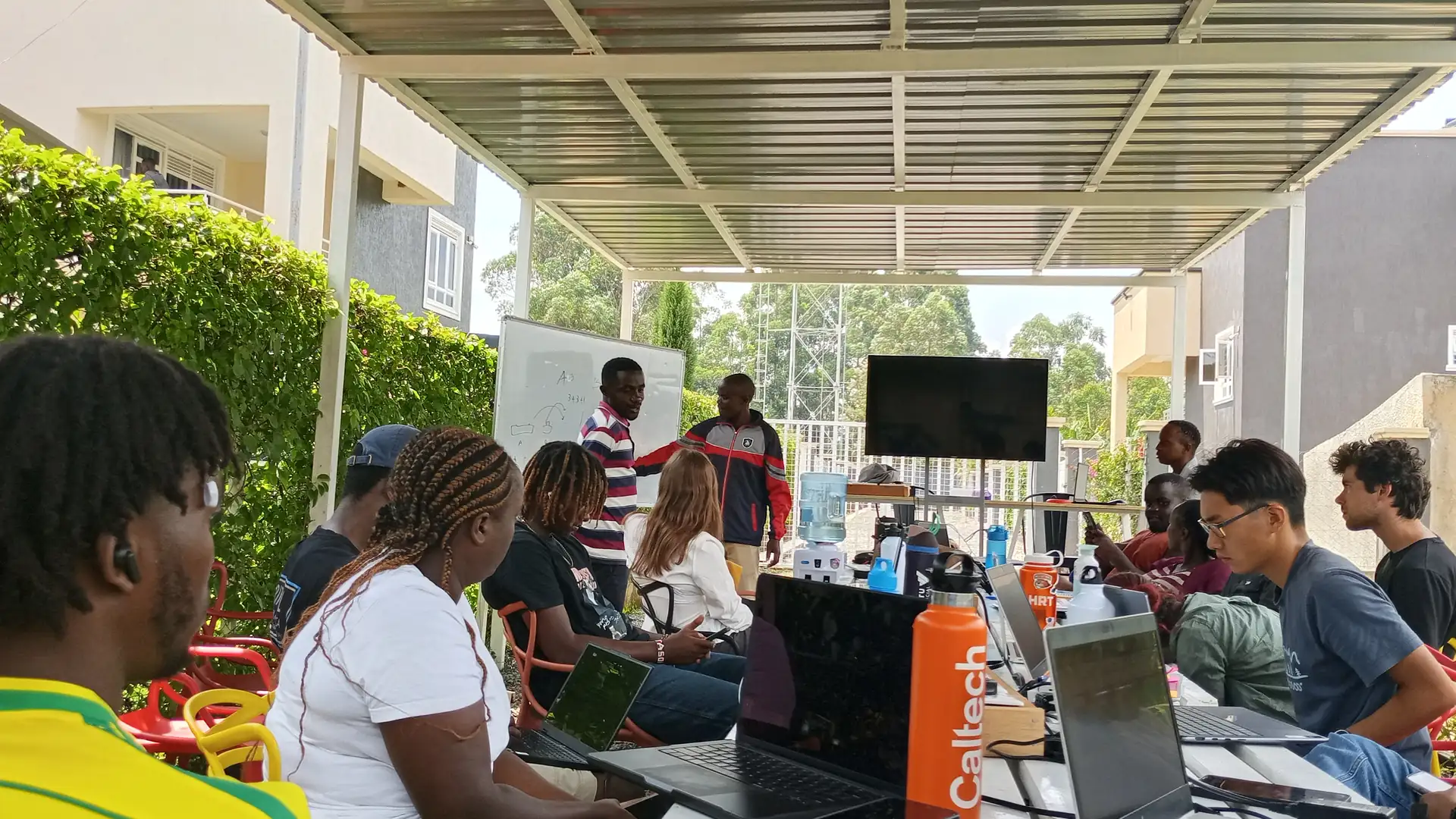
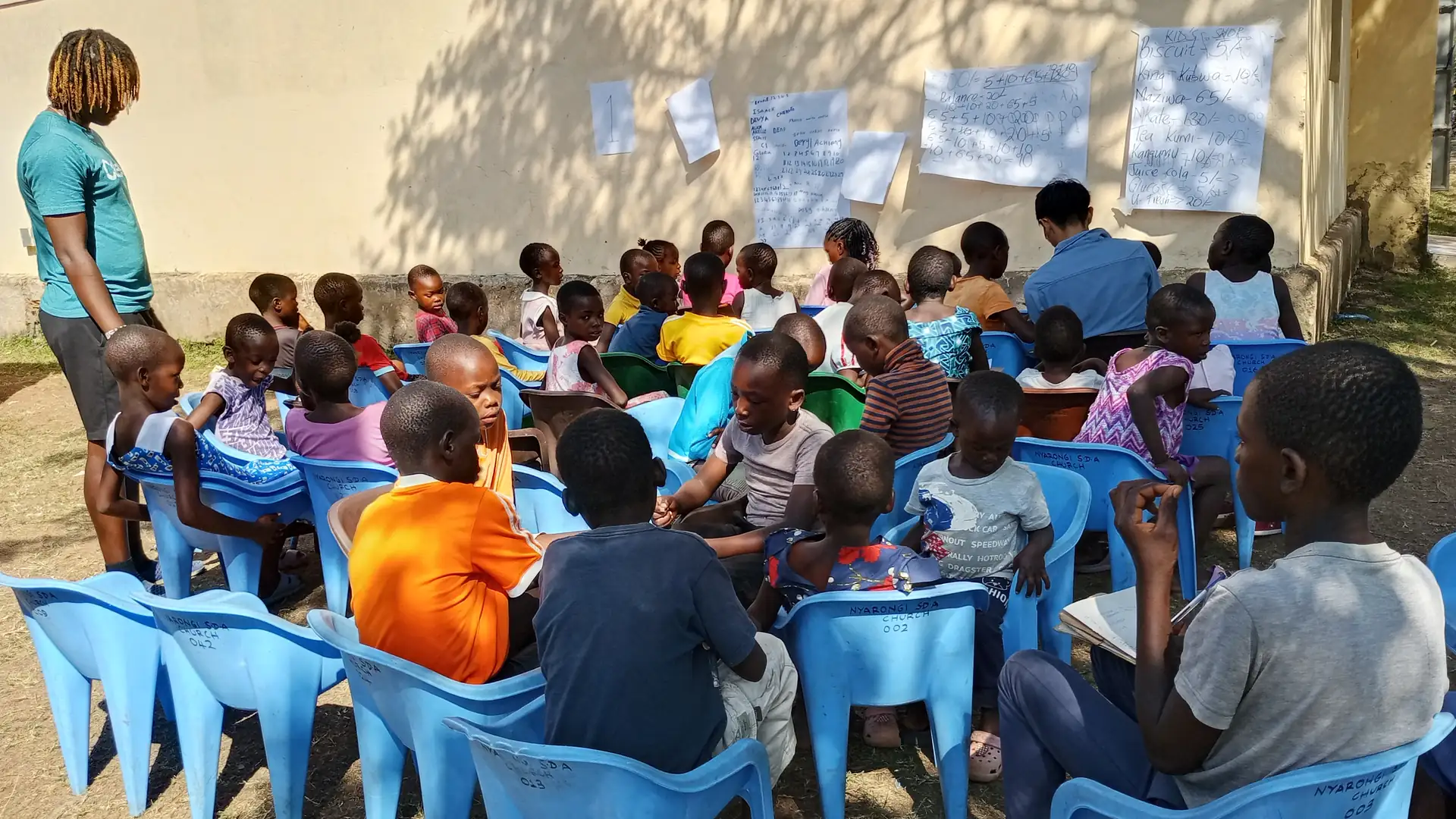
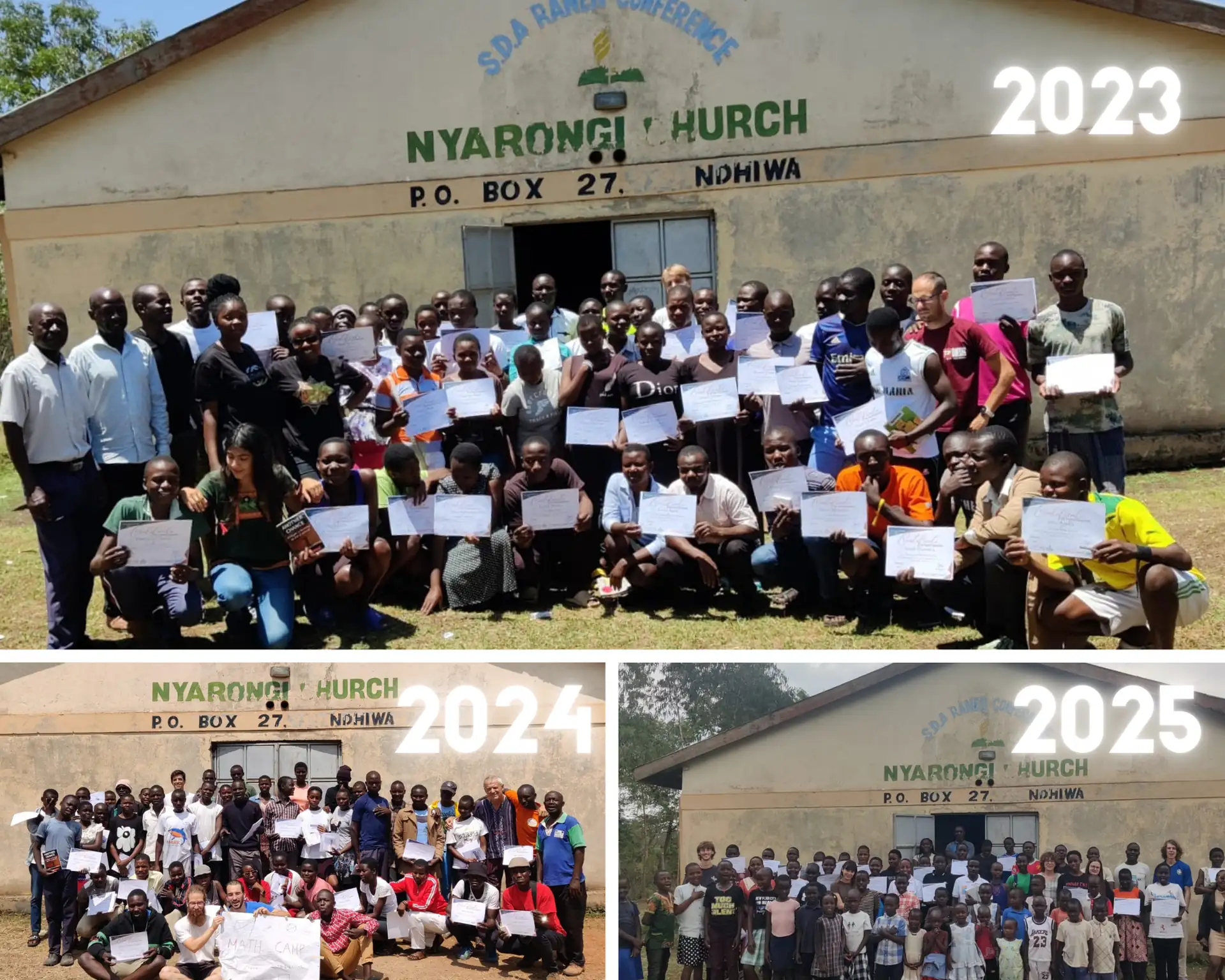
This year marked the 4th year in a row our community has run the Nyarongi Community Maths Camp, in partnership with Supporting African Maths Initiatives (SAMI), African Maths Initiative (AMI), Carltech and INNODEMS — bringing local teachers, university volunteers, and international partners together to give children a taste of what continuous, well-supported learning can look like.
Every year, it works. Every year, children show up. Every year, parents and local leaders make it happen.
But a camp is still a lucky coincidence — a few weeks, once a year, dependent on whoever can travel in to help. What Nyarongi has never had is something permanent: a place where this kind of learning is simply there, every day, for every child, holiday or term time.
From a Camp to a Community Asset
That's what we're building next. STEMpathy Hub Africa is working with the Nyarongi community to establish a permanent, community-owned space for reading, numeracy, STEM learning, mentorship, and homework support, open to every learner from early childhood through senior secondary, and to the young people who've finished school and are still deciding what comes next.
We want to be precise about what this is. It is being built with a community Leadership Committee — parents, teachers, young people, women, local leaders, and religious institutions — who will own it, govern it, and keep it running long after any single organisation's involvement ends.
As the proverb goes: it takes a village to raise a child. We're simply trying to give that village a room to do it in.
The holiday gap is real, and it is measurable. It is also one of the most fixable problems in education, if communities have the space, the books, and the support to close it themselves.
STEMpathy Hub Africa works with communities in Western Kenya to strengthen teaching, learning, and access to education — through teacher development, community-run learning programmes, and partnerships that put local ownership first.