
Maths Without Fear: The Chelezo High School Maths Camp, September 2024
From 8th to 13th September 2024, Chelezo High School in Wote, Makueni County, hosted an in-school maths camp designed to strengthen students’ confidence, improve teaching practice, and connect mathematics to real life. The camp brought together students, teachers and facilitators in a shared learning space that focused on participation, curiosity, and practical problem solving.
The camp aimed to show that meaningful mathematics learning is possible even with limited resources. Rather than focusing on exam preparation, the camp focused on how students think, work together, and apply mathematics in everyday contexts.
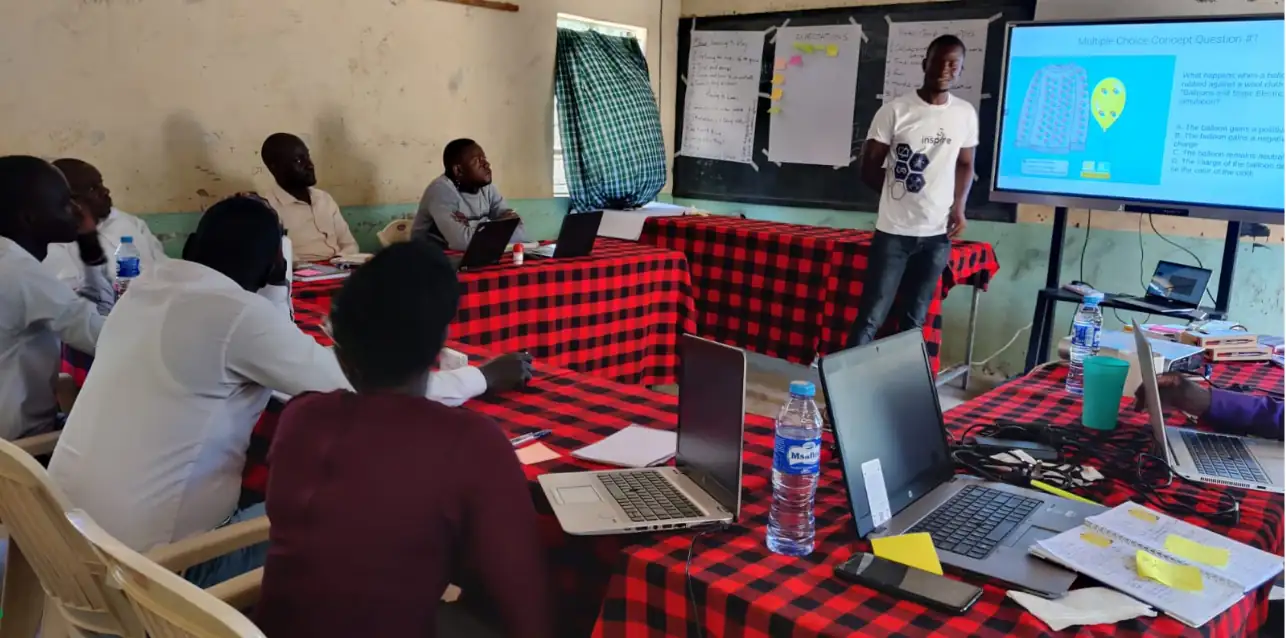
The programme began with a two-day preparation phase for teachers. Eight teachers participated in these sessions. They were introduced to a wide range of learning resources, with a strong focus on using technology, games, puzzles, and hands-on activities to make mathematics more engaging. The preparation also created space for teachers to reflect on their own classroom practices and explore new ways of supporting learners with different abilities.
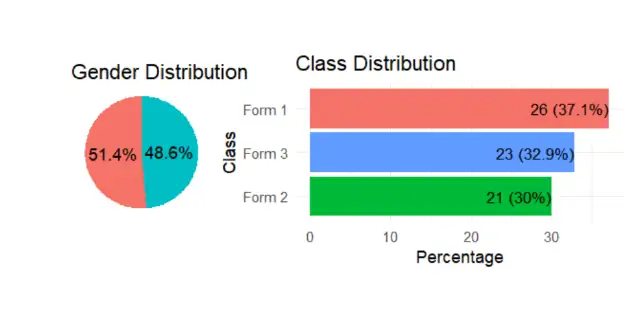
This was followed by a four-day student camp. Seventy students from Form One to Form Three took part. The gender balance was close, with 51.4% boys and 48.6% girls. This balance reflected a deliberate effort to ensure that opportunities in mathematics were not limited by gender.
Students were organised into four houses named after mathematicians: Euler, Noether, Ramanujan, and Turing. The house system helped build teamwork, responsibility, and confidence. Students worked together, supported one another, and took part in friendly competitions that encouraged participation rather than pressure.
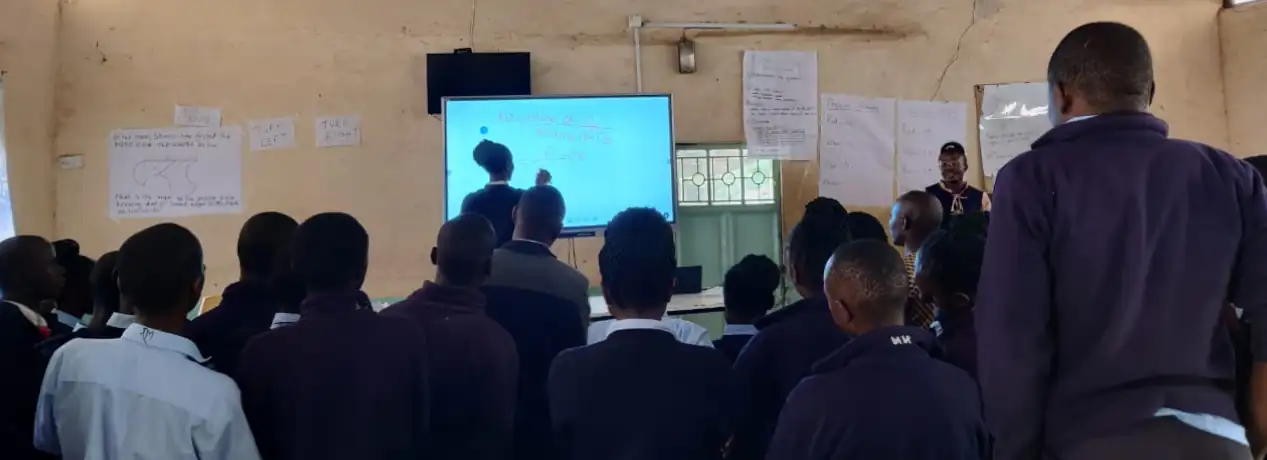
Learning sessions were active and varied. Mathematics was explored through discussion, movement, and problem-solving rather than long lectures. This approach helped students see maths as something they could engage with, rather than something to fear.
One of the core themes of the camp was data science. Students began by completing an entry survey about their camp experience. This survey became the dataset used throughout the sessions. By working with their own data, students quickly understood why data matters and how it can be used to answer real questions.
Students learned how to organise data, calculate basic statistics such as mean, median, and mode, and clean datasets using Microsoft Excel. They practiced filtering data, removing duplicates, and correcting errors. Many students had limited prior experience with computers, but by working in small groups, they gained confidence and practical skills.
The sessions concluded with data representation. Students created bar charts, pie charts, and histograms and presented their findings to peers. This helped them understand how visualisation supports clear communication and sound conclusions.
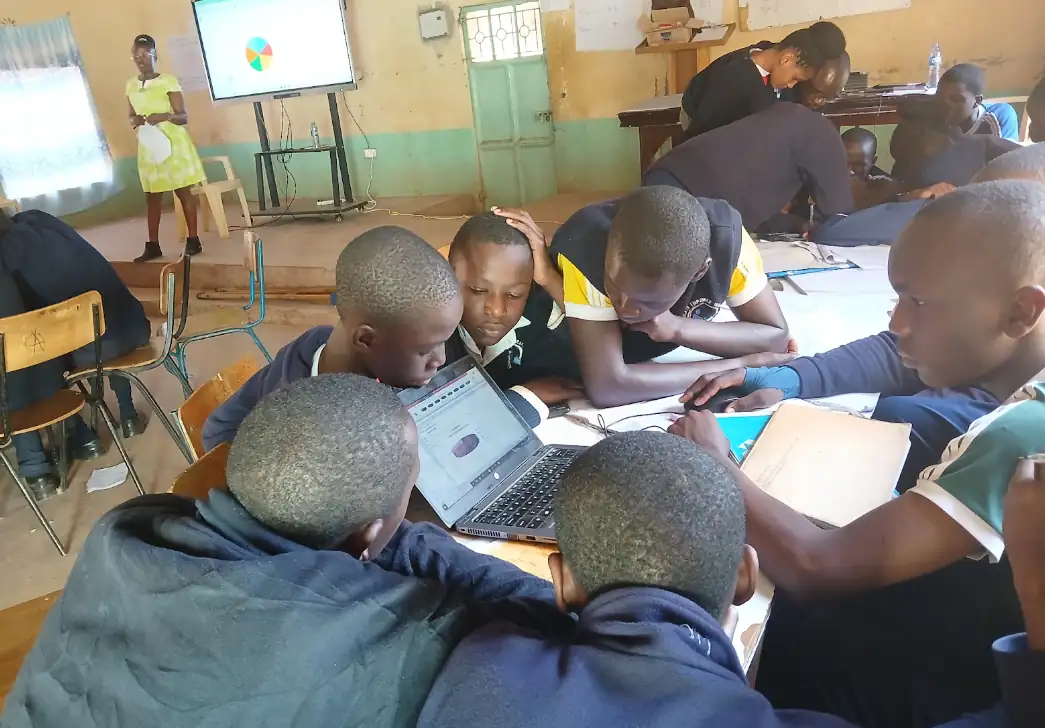
Programming concepts were introduced in an accessible way. Activities began without computers, using physical games such as the Human Robot Game. In this activity, students learned how precise instructions matter by giving step-by-step commands to their peers acting as robots.
Later sessions introduced Blockly and Scratch. Students explored sequencing, loops, and logical flow through visual programming. In the High-Low Game, students used flowcharts to design a simple mathematical game, helping them see the link between mathematics, logic, and computation.
These sessions showed students that programming is not abstract or unreachable. It is structured thinking that builds directly on mathematical ideas.
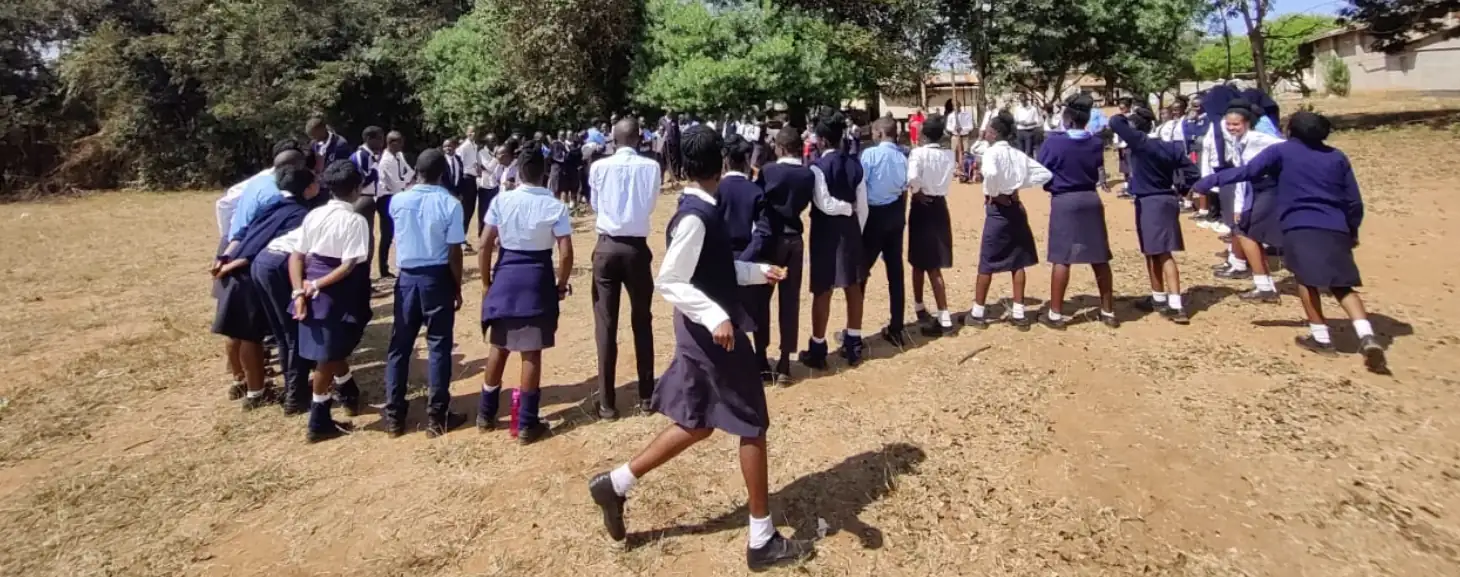
Problem solving was reinforced through daily puzzles, quick maths challenges, and physical activities. Puzzles were displayed on walls and revisited during free time. Although some were challenging, students stayed engaged and worked together to find solutions.
Quick Maths sessions involved solving eight mental maths problems within ten minutes. Students worked in their houses and earned points for correct answers. The questions were carefully structured so that each built on the previous one, supporting deeper understanding.
Physical activities such as card games, binary decoding, concentration games, and number-based movement games helped students connect abstract ideas to action. These activities strengthened memory, focus, and logical reasoning while keeping energy levels high.
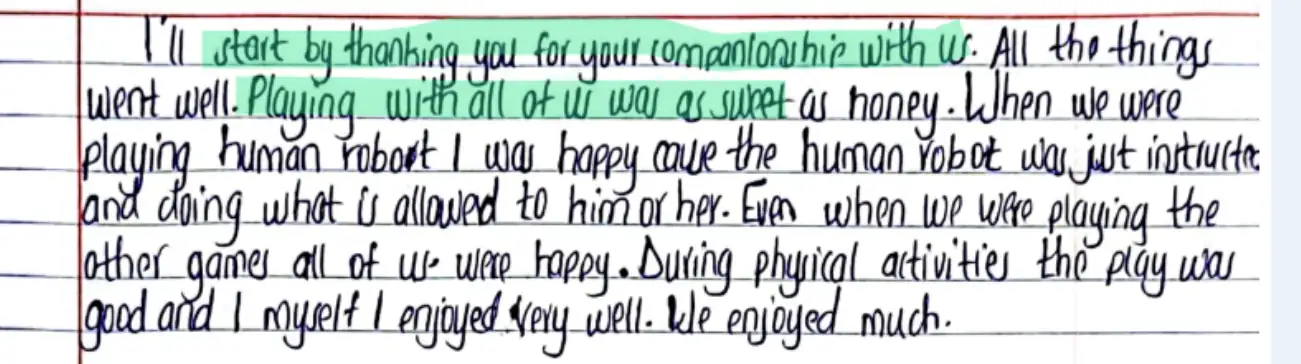
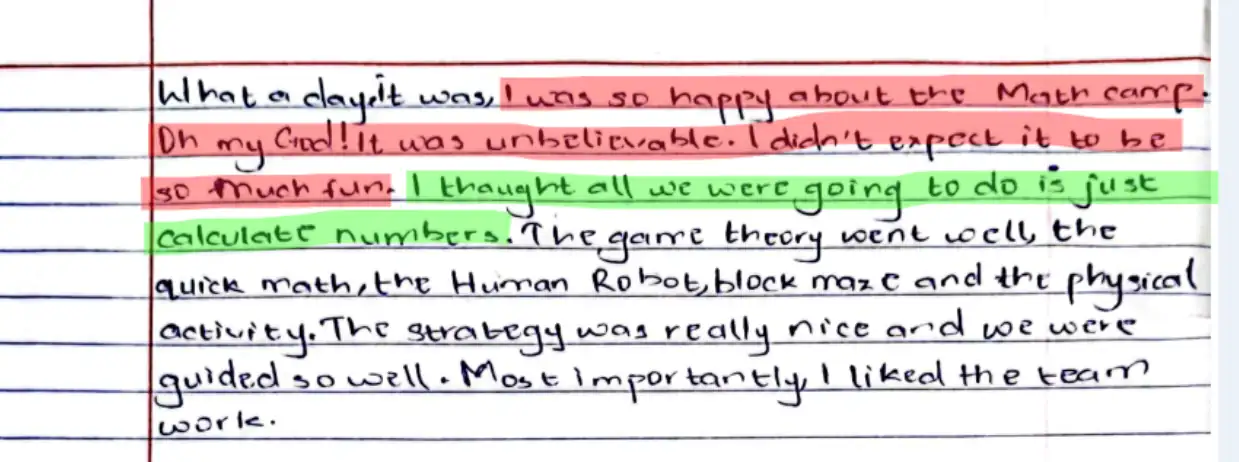
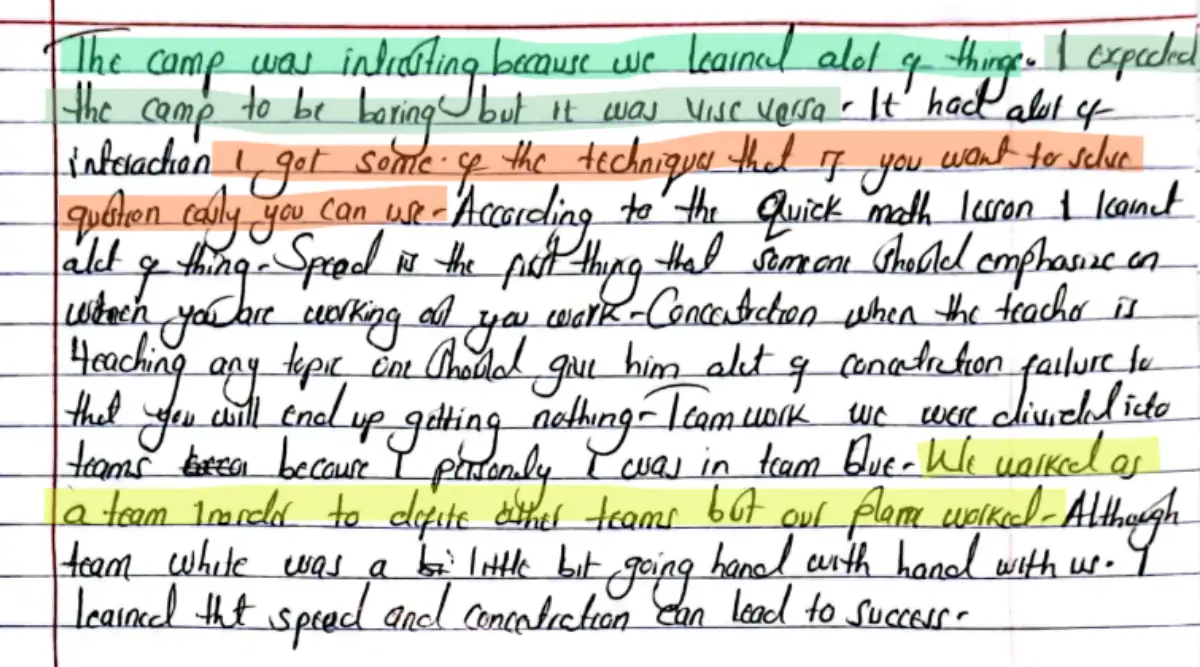
Journaling was a key part of the camp. Students wrote daily reflections about what they learned, what challenged them, and how their thinking changed. These journals provided clear evidence of growth in confidence and attitude.
Students not only learned new skills but also experienced the joy of teamwork. Many students who initially expressed fear or uncertainty about mathematics began to show curiosity and a willingness to try difficult problems.
This shift from anxiety to engagement was one of the strongest outcomes of the camp.
The Chelezo Maths Camp demonstrated a practical educational model suited to low-resource environments. It relied on local teachers, simple technology, and strong structure rather than expensive facilities. Teachers gained tools they can continue using in their classrooms, and students experienced mathematics as something active, social, and meaningful.
The near-equal gender participation showed that with intentional design, access to mathematics can be inclusive. The use of technology and real-life applications helped reduce the gap between school mathematics and modern problem-solving skills, aligning with SAMI’s focus on sustainable, locally driven change.
Partnership and Acknowledgement
The camp was made possible through collaboration between Chelezo High School and its partners: Supporting African Maths Initiative (SAMI), African Maths Initiative (AMI), and INNODEMS. Their support enabled both teachers and students to take part in a learning experience that went beyond the classroom.
Conclusion
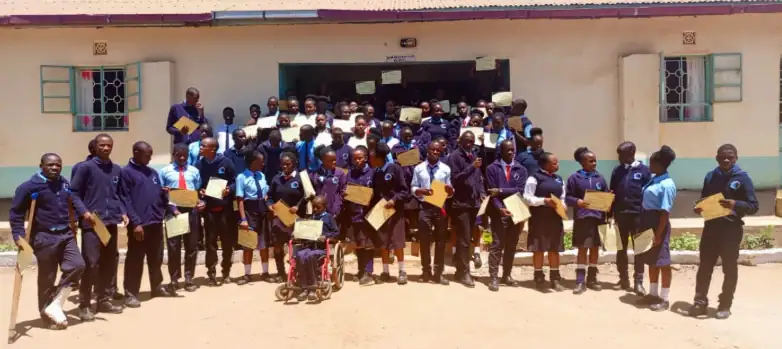
The September 2024 Maths Camp at Chelezo High School was successful because it focused on how students learn, not just what they learn. Students left with greater confidence and curiosity. Teachers left with practical tools and renewed motivation. The school gained a model that can be adapted and repeated.
This was not about extraordinary resources. It was about thoughtful design, collaboration, and belief in students’ ability to learn mathematics well.