Learning at the 2023 SAMI Togo Maths Camps
At the 2023 camps in Togo, students began to see mathematics as something close to their lives. It wasn’t presented as a distant subject. It showed up in their games, their environment, and the stories they know. The camps took a simple approach: treat mathematics as part of everyday culture.
Activities were drawn from local puzzles, shared stories, traditional games, and everyday problems. This helped students connect maths to things they already understood. When the work reflected their world, students joined in with more energy.
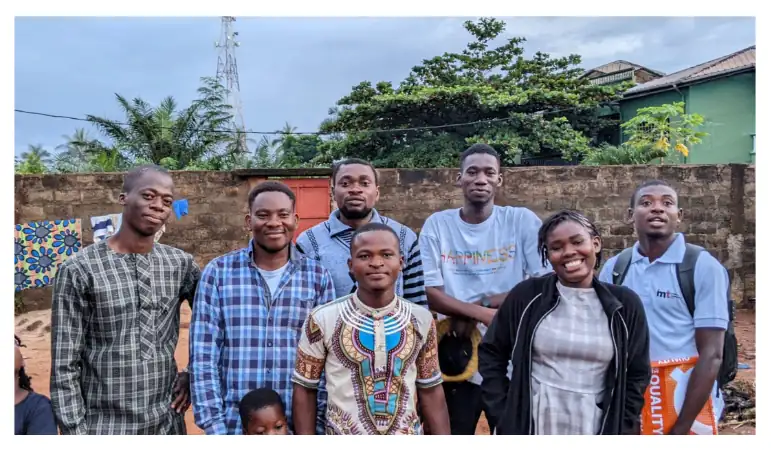
From the first day in Vogan, facilitators used familiar objects and local games. Students quickly realised that the thinking involved in these activities was similar to the thinking they used at home and in their communities.
One example was “Coulées d’eau,” where students looked at water flow patterns. This is a familiar task in many homes and farms. Students suggested different answers, argued for their ideas, and then settled on the five correct paths. It helped them see problem-solving in a context they recognised.
The “Traversé” activity was introduced as a short story. Students knew versions of it from local riddles. Hands went up immediately with suggestions. Many solved it before the explanation ended.
The 32-stick game was well known to students. They were confident with the basic version, so facilitators changed the totals to 49 and 21. Students had to rethink the game. A familiar pastime turned into a new kind of reasoning task.
In Lomé, during the International Day of Women and Girls in Science, games like 9-ball, interrupteur, vase-filling, and jetons drew large groups of students. They described the activities as fun and different from school. The large turnout showed how easily students engage when the tasks feel familiar.
Across the camps, facilitators noticed the change in student behaviour. Students were more alert and more willing to speak up when the maths felt connected to their everyday lives.
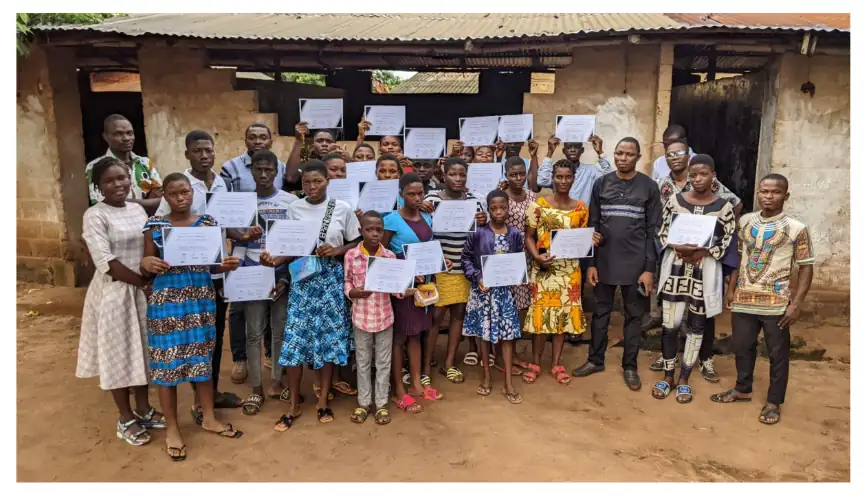
The 2023 SAMI Togo Maths Camps showed that ethnomathematics is not a theory, but a practical way of teaching. It helped students see maths as something they already know, not something foreign.
The results were visible in how they worked, how long they stayed, and how willing they were to try. Students left feeling more confident, more curious, and more comfortable with problems they once avoided.
The camps showed that students learn better when the work connects to who they are and where they come from. They also showed that teachers can use local knowledge to make maths feel practical and approachable. There is still more to build, but the interest from students and schools suggests a real appetite for this style of learning. Future camps can build on this effort and continue to make maths feel like a natural part of everyday life in Togo.