
How the First STACK Conference in Kenya Is Addressing Large Class Sizes
In June 2023, Masinde Muliro University of Science and Technology (MMUST) in Kenya hosted the first African STACK Conference for undergraduate mathematics. The event was supported by SAMI, the University of Geneva, and the European Mathematical Society. It focused on a problem that many African universities face: how to teach very large classes and still give students useful feedback.
Many institutions already enroll more than a thousand students in one course. Lecturers often do not have enough time or support to give detailed comments on student work. The conference set out to explore practical ways to manage this, rather than talk about it in theory.
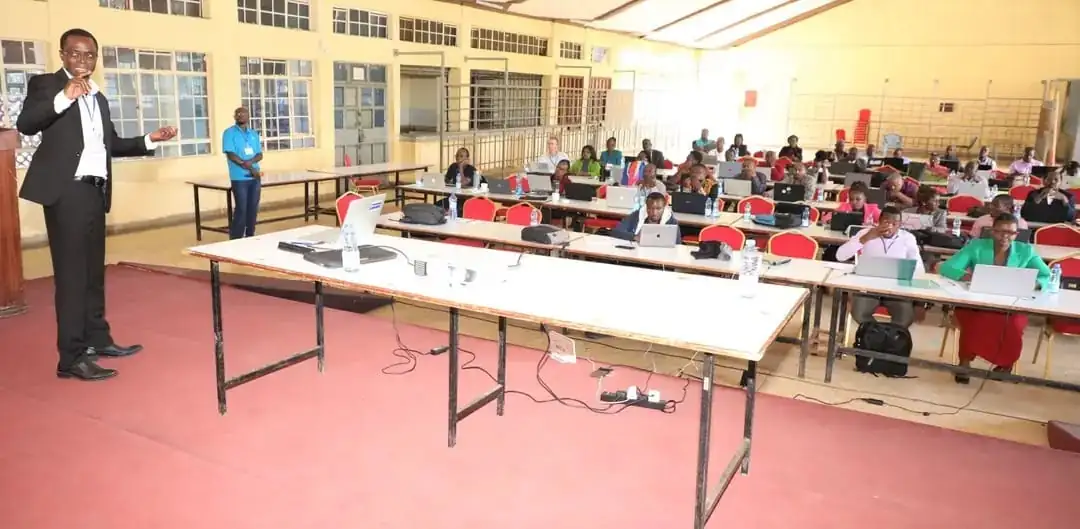
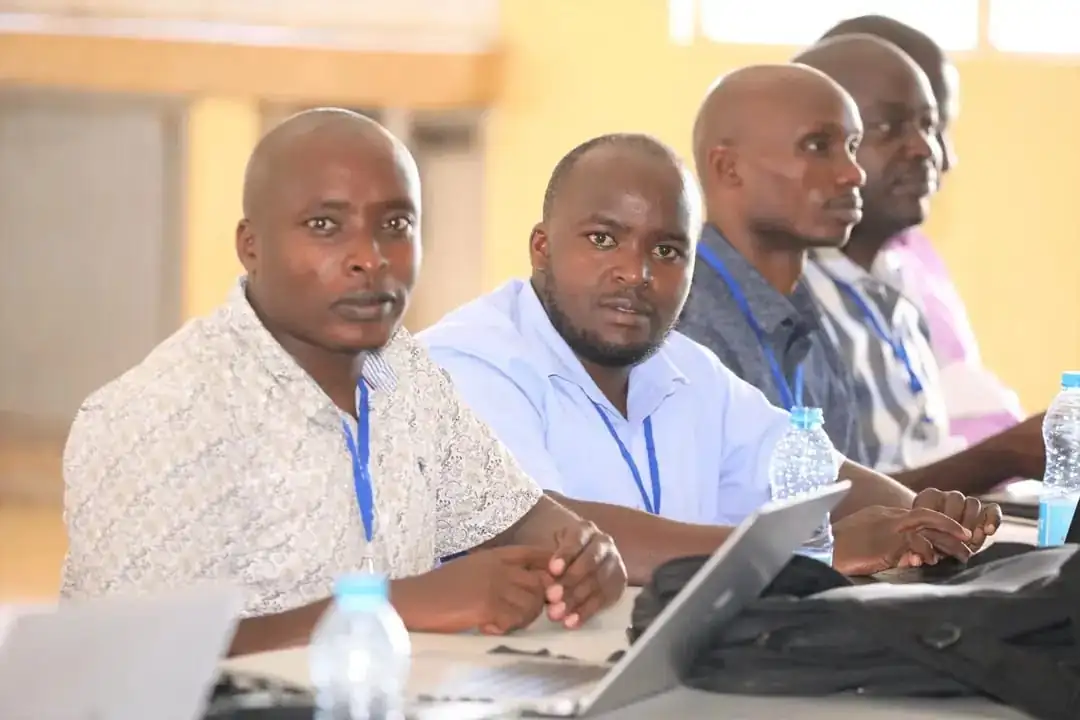
The conference brought together 66 participants from 16 institutions in Africa and Europe. The five-day program included keynote talks, presentations, and long workshops focused on writing questions, building course materials, and sharing technical knowledge. The aim was to leave with ideas that could be used immediately, not just discussed.
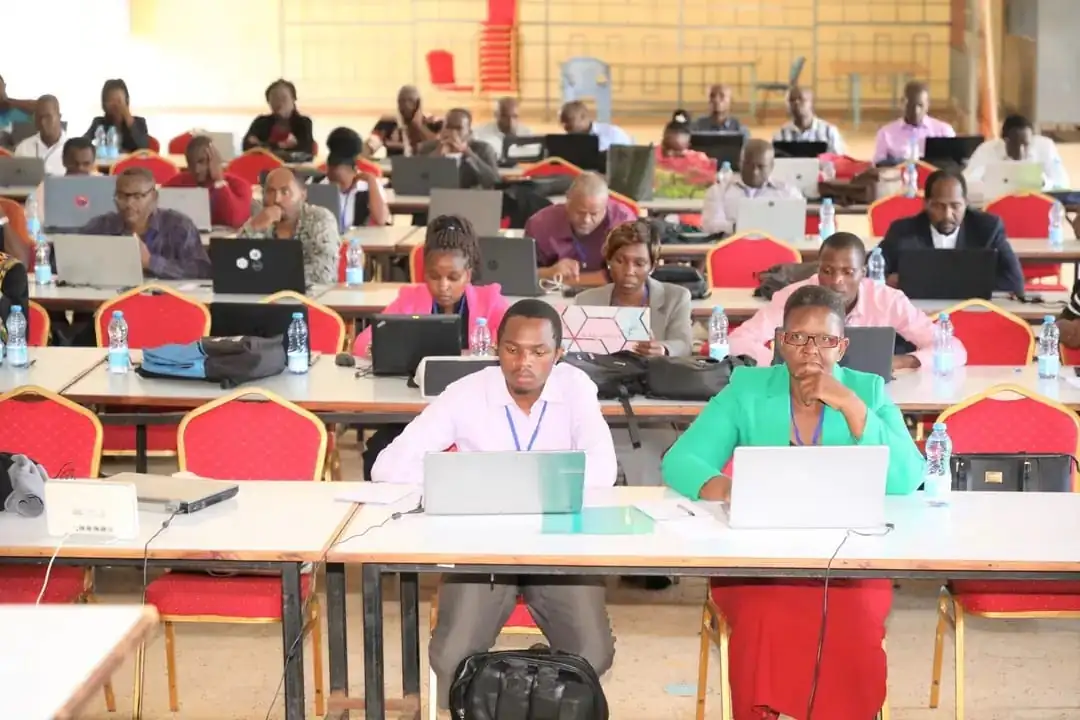
STACK is a digital assessment system that gives automatic feedback to students. It checks students’ answers, identifies mistakes, and offers explanations. Lecturers can use the data to see where students are struggling. The system is designed to support large classes, where marking by hand is not possible.
During the week, participants worked on real tasks: reviewing existing content, adapting it to local needs, and testing it with peers. Many left with working examples they could use in their own courses. The conference also clarified what it would take to make STACK work at scale, including training, hardware, and collaboration across institutions.
One clear result of the meeting was the creation of the African STACK Community Leadership Team. The group is meant to coordinate progress, share resources, and provide support for institutions trying to adopt STACK. This was a recognition that individuals cannot carry the work alone.

Another result was the decision to continue meeting. Plans for the second African STACK Conference at the Technical University of Kenya in 2024 came directly from the discussions in 2023. This showed a willingness to keep working together and build on early progress.
Since the first conference, some institutions have started exploring broader use of STACK, including full course coverage, shared question banks, and long-term infrastructure. These steps are slow, but they reflect real interest rather than one-time enthusiasm.
There is also growing attention from the wider community. Nairobi will host the International Meeting of the STACK Community in July 2026. It will include presentations, workshops, and cultural activities, with options for remote attendance. It offers a chance for African institutions to show what they have learned and where they want to go next.
The 2023 conference showed that large classes are a structural problem, not a temporary one. Many universities cannot hire enough staff or grade enough work to support all students. STACK does not solve this alone, but it offers a practical way to make feedback possible at scale.
There is still a lot to build: more training, more collaboration, and more technical support.