How Kapiyo Secondary School is Slowly Becoming a High-Innovation Hub in Rural Siaya
In the remote Siaya County in Kenya stands Kapiyo Secondary School, less than 10 km from Lake Victoria is a place that once struggled with scarce resources but never lost its spirit. For years, ambition was the school’s most fragile asset—undermined by underfunded programs, dusty chalkboards, and limited exposure to opportunity.
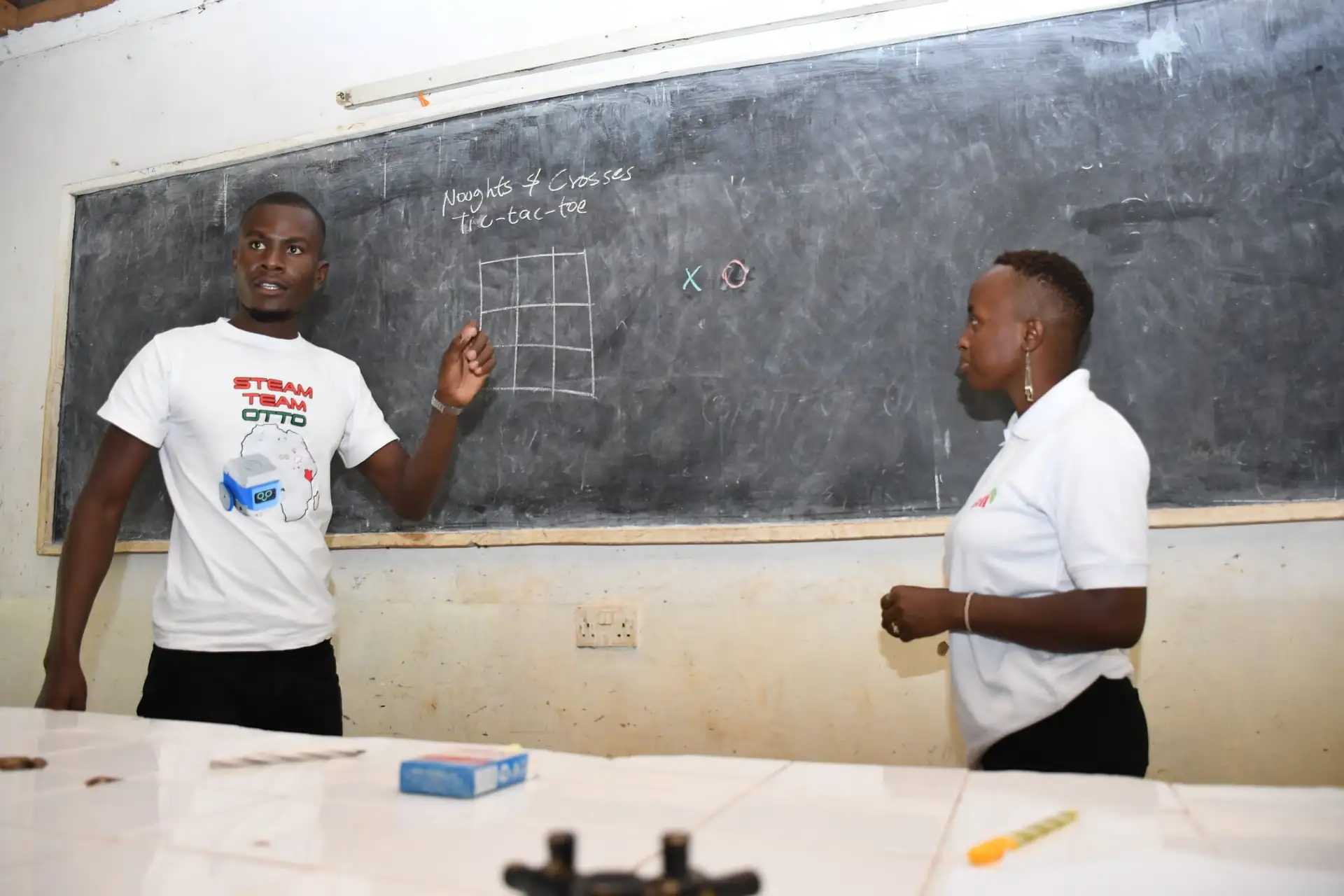
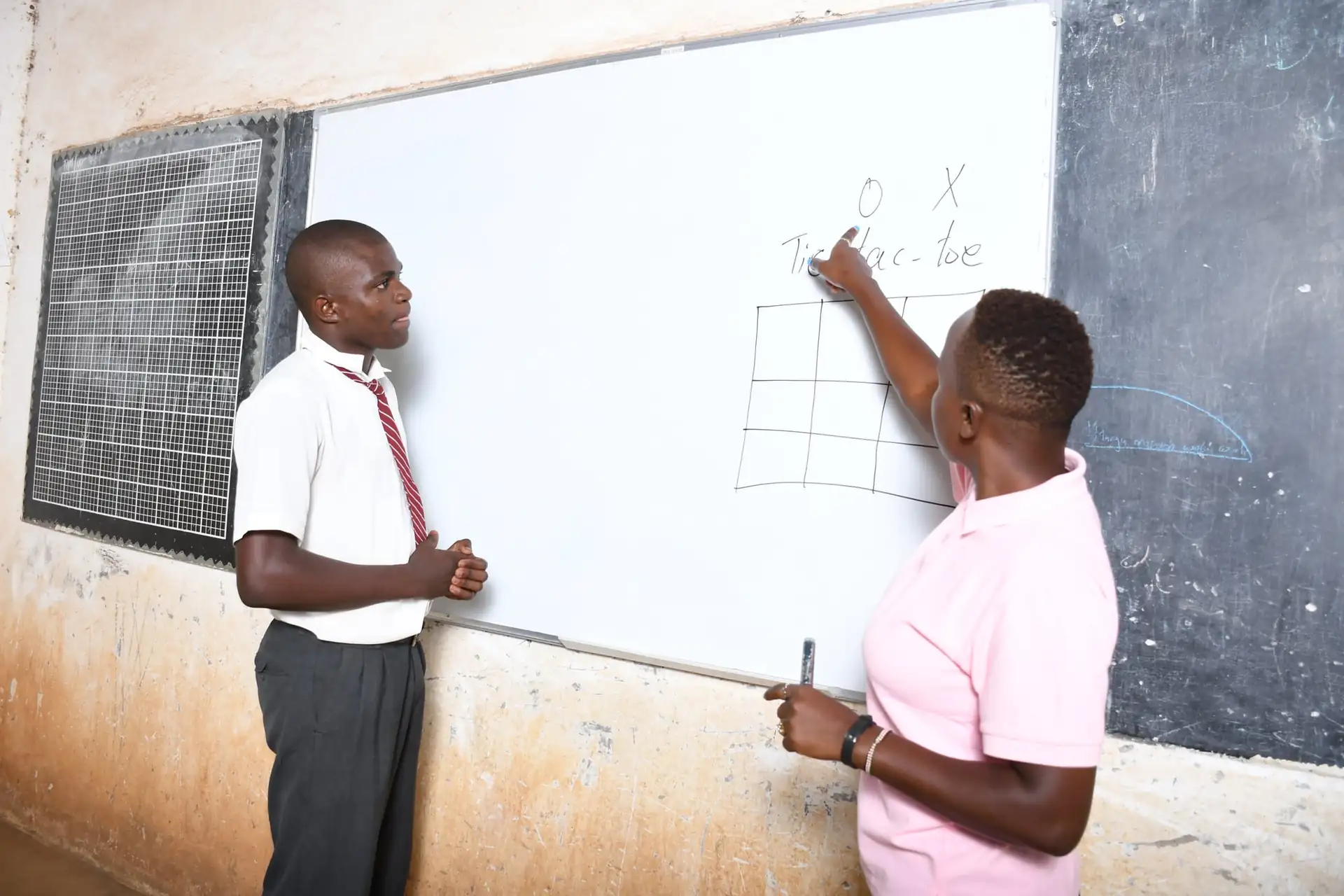
In early 2025, the Strathmore University Alumni Association made a deliberate choice to partner with Kapiyo. Through the SU Alumni Adopt-a-School Initiative, Kapiyo became the pilot—selected for its potential. A needs assessment in February led to the “Thao na Kapiyo” campaign, mobilizing alumni around a bold target: collective investment by Africans, for African learners. By June, momentum had built. And in September 2025, that momentum crystallized into Kapiyo Impact Week. That’s how the Supporting African Maths Initiatives (SAMI) comes in.
Kapiyo Impact Week was not a single intervention, but a carefully aligned ecosystem: Strathmore University Alumni investing resources, mentorship, and aspiration, Supporting African Maths Initiatives (SAMI) bringing deep pedagogical expertise through a three-day Maths Camp and Kapiyo teachers and leaders preparing for Kenya’s transition into Competency-Based Education (CBE). This synergy meant infrastructure upgrades were matched with mindset shifts, and material investment went hand-in-hand with intellectual empowerment.
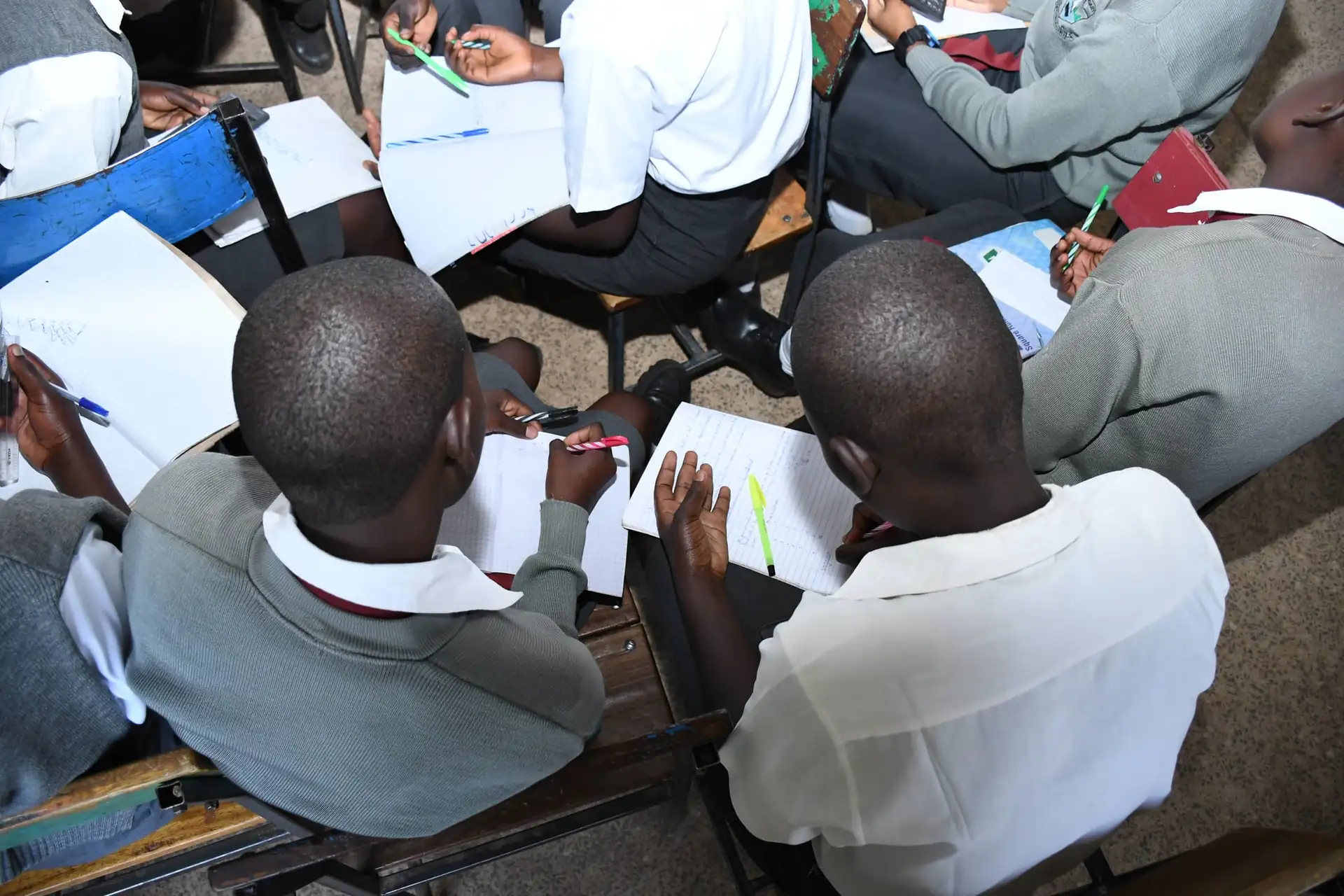
At the heart of Impact Week was the 3-day Kapiyo Math Camp, led by AMI in partnership with Strathmore University and the school itself with an aim to shift students’ relationship with mathematics—from fear to curiosity, from passivity to agency. The camp moved beyond textbooks and lectures, embracing a new philosophy of learning grounded in, Mathematical thinking, Probability and combinatorics, Programming and robotics, Games, puzzles, and physical activities and Quick maths and collaborative problem-solving.
Students solved logic puzzles during breaks, debated strategies in groups, and learned to think aloud together.
“From day one, the students have been picking some of the aspects we've been introducing to them. Like, for instance, these students say: I liked how you have been teaching us games relating with maths. How you have made us understand the role of maths to be easy. And how you've been giving us maths without using a calculator or a pen.
You know, this is such a powerful insight from a student because as long as you have the right mindset, the right attitude of wanting to try, and not feeling bad about failing after making the first or the second attempt, and trying to engage with mathematics, even especially having other learners on board, you know, like collaboration and teamwork, which actually makes math easy.” - Esther Diera, Camp Facilitator
“My attitude has greatly changed so that I found myself having a lot of interest in doing mathematics.” - Male Student
“Since, our school with maths was like two parallel lines that would never meet. Now I'm sure. I'm 100% sure. We will do something in mathematics. Individually, I will do something good. I want to put a target of B+ (plus) and above in mathematics.” - Female Student
Entry and exit surveys confirmed it. Students left the camp less afraid of mistakes, more motivated, and newly confident that “Maths is easy and fun; it is doable.”
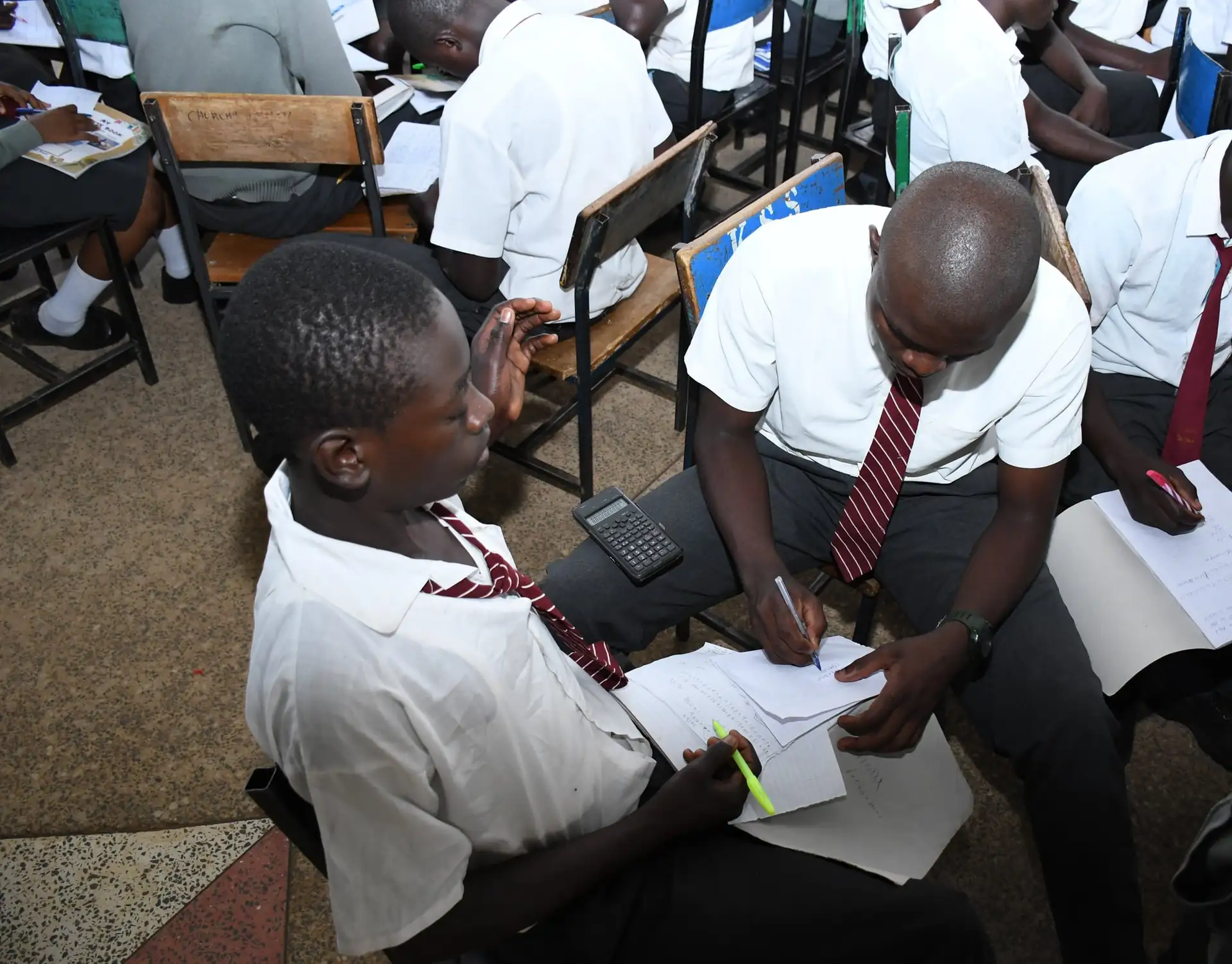
One defining moment came during programming and robotics sessions, where learners explored algorithms through games like Intelligent Paper and step-by-step logic flows.
Suddenly, mathematics was no longer abstract. It was procedural. Logical. Human.
As one student reflected in their daily journal:
“I wonder how you people made us proud in terms of solving problems in maths.”
These daily reflections—“I liked… I wonder… What if…”—became living documents of growth. Facilitators listened, adapted, and redesigned sessions in real time, modeling the very competency-based learning teachers were preparing to implement.
A Glimpse into 2026
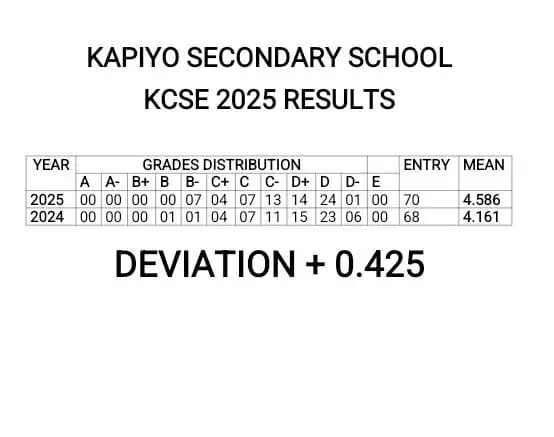
Improving mathematics performance is strategic for Kapiyo, maths is the gateway to tertiary education, and the school leadership is explicit about its targets. In 2024, six students achieved C+ and above. In 2025, the goal is ten students progressing to university. They achieved eleven.
That goal is no longer theoretical.
Several Kapiyo students are now Strathmore Scholars, earning places at one of Kenya’s top universities. One of them, Richard, embodies the arc of transformation—supporting himself through boda boda work, then stepping into university life with confidence and purpose. His mother’s pride tells the deeper story: a family’s future reshaped.
Even more powerful, these scholars return to Kapiyo—photographs in hand, stories on their lips—making success visible, tangible, and local.
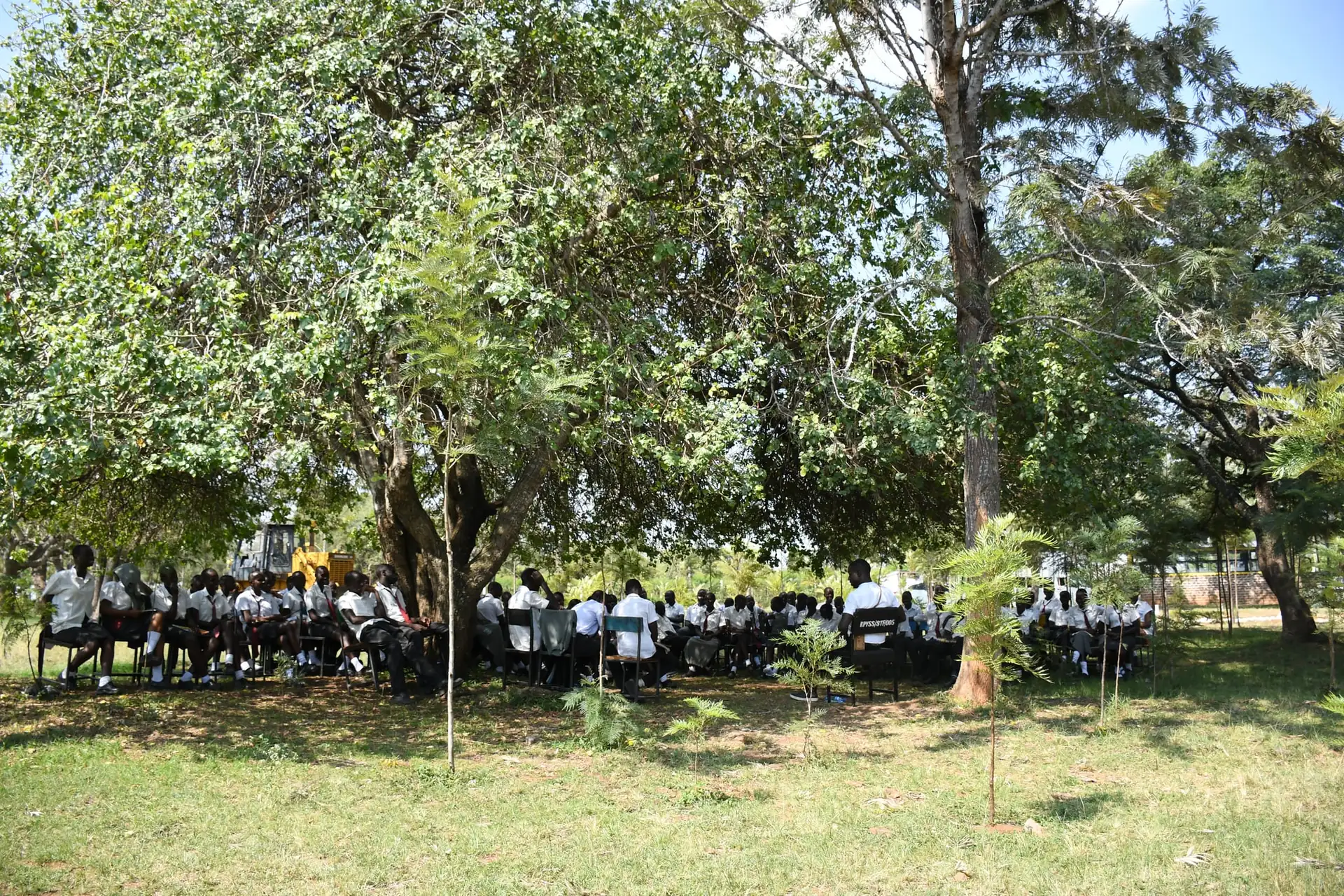
Kapiyo Impact Week reminds us that scarcity does not define potential. Design does. Partnership does. Belief does. This model can scale—across Siaya, across Kenya, across Africa.
Not as a donation drive, but as a shared investment in human capability.
Because when mathematics becomes a language of confidence, and opportunity becomes visible, entire communities begin to change.