How Allotey Maths Camp Is Changing Learning in Ghana

Sep 30, 2023

Many young people see mathematics as strict rules, long formulas, and pressure to get the right answer. At the Allotey Maths Camp in Ghana, that idea is shifting. The camp has been running for ten years and focuses on helping students learn through curiosity, play, and problem-solving. The 2023 camp took place at Achimota School.

The Ghana camp began in 2014, inspired by the Maseno Maths Camp in Kenya. It was started by AIMS Ghana with one simple goal: help students see math as something they can enjoy and understand, not fear.

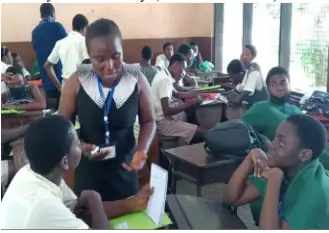
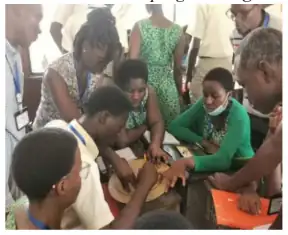
The camp replaces chalk-and-talk lessons with activities that involve movement, puzzles, stories, and group work. Students explored ideas in probability, geometry, programming, number theory, and cryptography. Many activities felt like games rather than lessons, which made students more willing to try, fail, and try again.
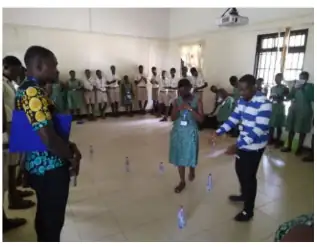
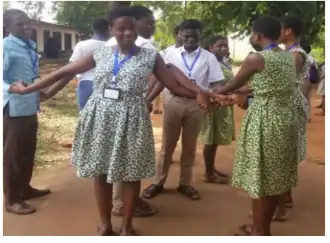
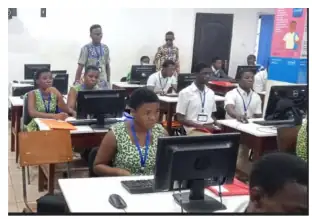
In some sessions, students acted as “human robots” to understand programming logic. They wrote simple instructions, fixed their mistakes, and later explored coding with Scratch and Blockly. Some stayed at the computers long after the session ended.
Students measured objects to explore π, collected data, and talked about why probability can feel strange. Strategy games like Nim, Monty Hall, and Liar’s Dice showed how chance works in real time.
In a Fibonacci session, students built sequences, found patterns, and looked for spirals in nature. They drew golden rectangles and connected math to things they already knew.
Other sessions focused on cryptography. Students built simple ciphers, decoded puzzles, and used logic to solve problems. Many struggled at first, but continued until the idea made sense.
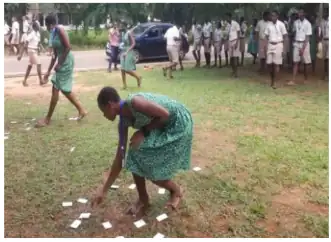
Physical activities were also part of the camp. There were outdoor games, relays, and treasure hunts that involved strategy, counting, and reasoning. In the Climate sessions, students worked with real data from Bole using R-Instat. They looked at patterns and asked questions about what the numbers meant in daily life.
SAMI Image

Facilitators noticed a clear change in how students worked through problems. The Nim Game “triggered critical thinking skills.” The activity on π was “interactive and experiential.” During programming sessions, learners were “glued to their computers.” The climate activity was “highly interactive,” and students connected what they learned to their own environment. In card games, students kept working long after time was up. And in several activities, students discovered patterns and strategies without being told what to do.


Students also reported changes in how they think about math. Seventy-three percent said they learned to approach problems differently. Sixty-eight percent felt more motivated. More than half said they improved in mathematics and enjoyed it. For many, it was the first time they felt confident doing math.
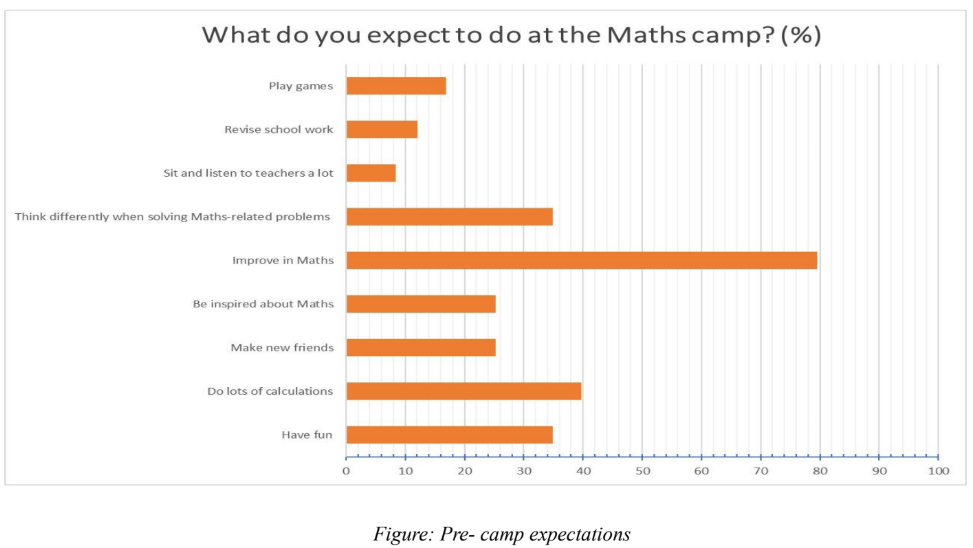
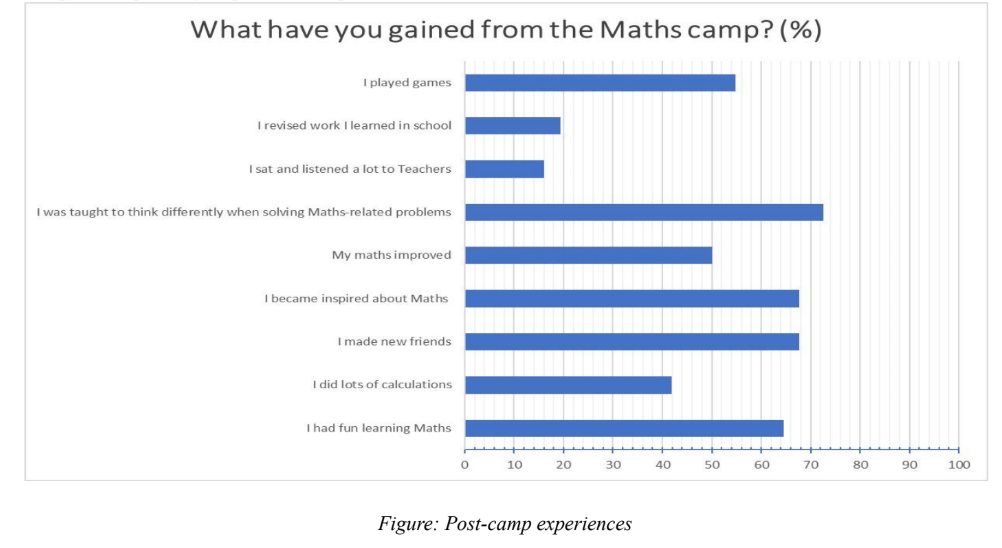
image.png  image.png

After ten years, the Allotey Maths Camp has shown that students can learn complex ideas when they are given time, space, and support. They leave with more confidence, stronger problem-solving skills, and a sense that mathematics is something they can take part in.

If you want to understand how this works, the best way is to see it yourself. Visit a camp, talk to the students, or join a session. You will see young people learning, laughing, and discovering that math can feel familiar, interesting, and worth their effort.

Share this Blog with your community: