How a Local Dream Brought the First Math Camp to Nyarongi in Kenya
People say we stand on the shoulders of giants. For Samuel Okoth, those giants have names: Mr. Odula, Mr. Victor, and Mr. Philip. These were the teachers who changed the way he related to mathematics. They helped him see that mathematics is not about memorizing or following procedures without meaning, but about making connections between ideas, exploring patterns for their own sake, discovering the beauty and joy in mathematics, and learning to value the attitude of productive struggle. Years later, with guidance from mentors such as Zach Mbasu, Emily Fleming, and others, Samuel, working through AMI and SAMI, realized that while he now had access to powerful learning tools, his home village of Nyarongi had none. He made a decision to return home and share what his teachers had first given him—and what SAMI had helped strengthen—the simple joy of facing a challenge and thinking it through.
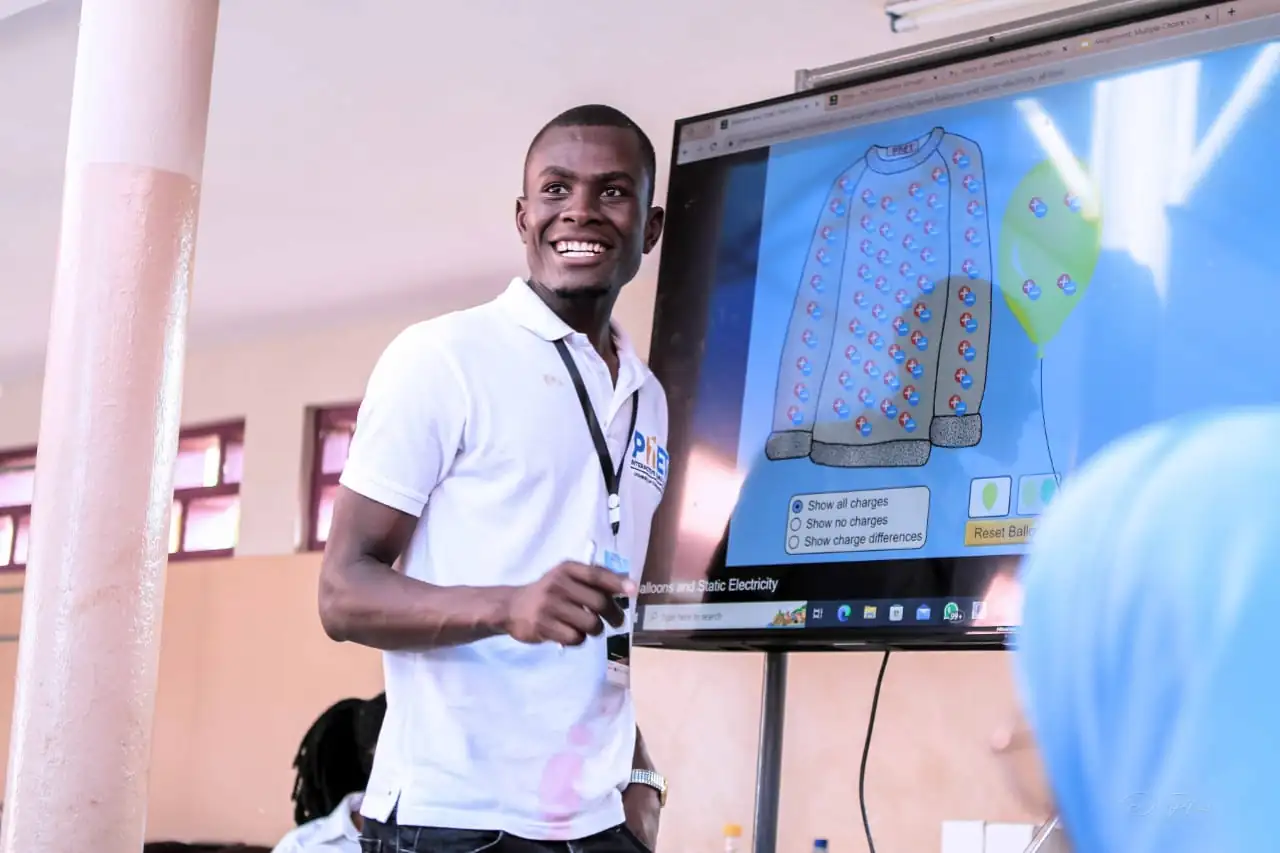
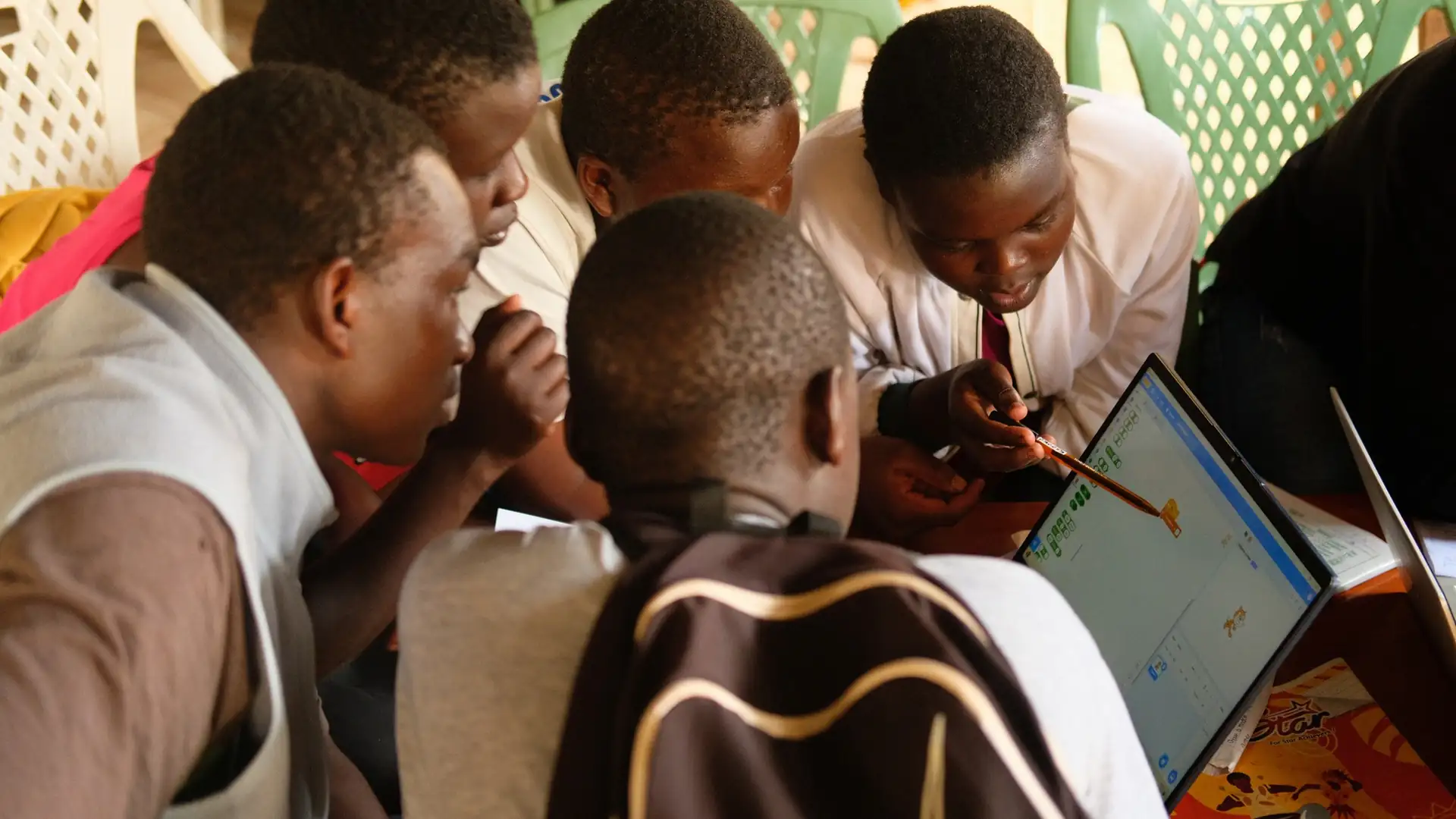
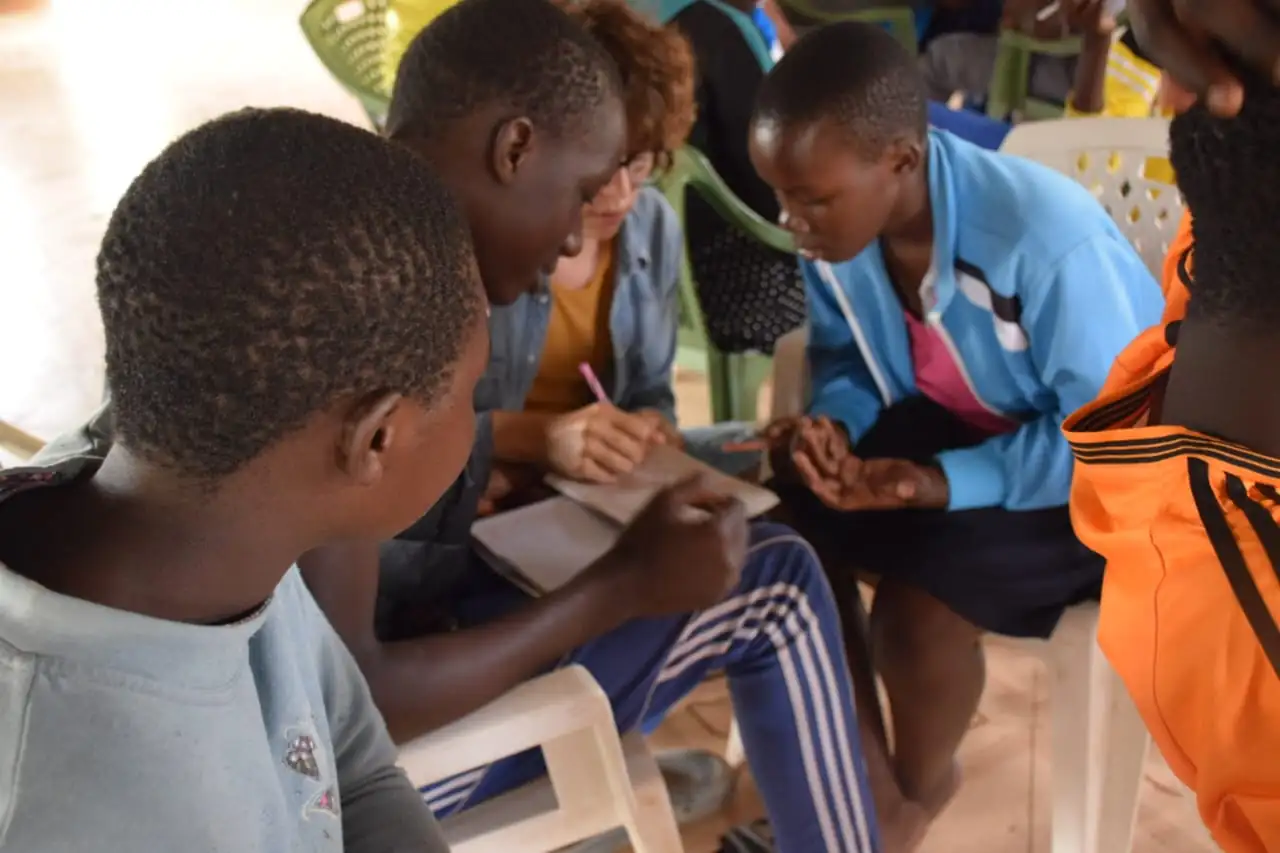
Maths Camp offers students a unique experience that combines rigorous academic lessons with fun and engaging recreational activities. These camps have quickly become a highly anticipated event in Nyarongi, where students eagerly seize the chance to strengthen their math skills while building international friendships with volunteers.
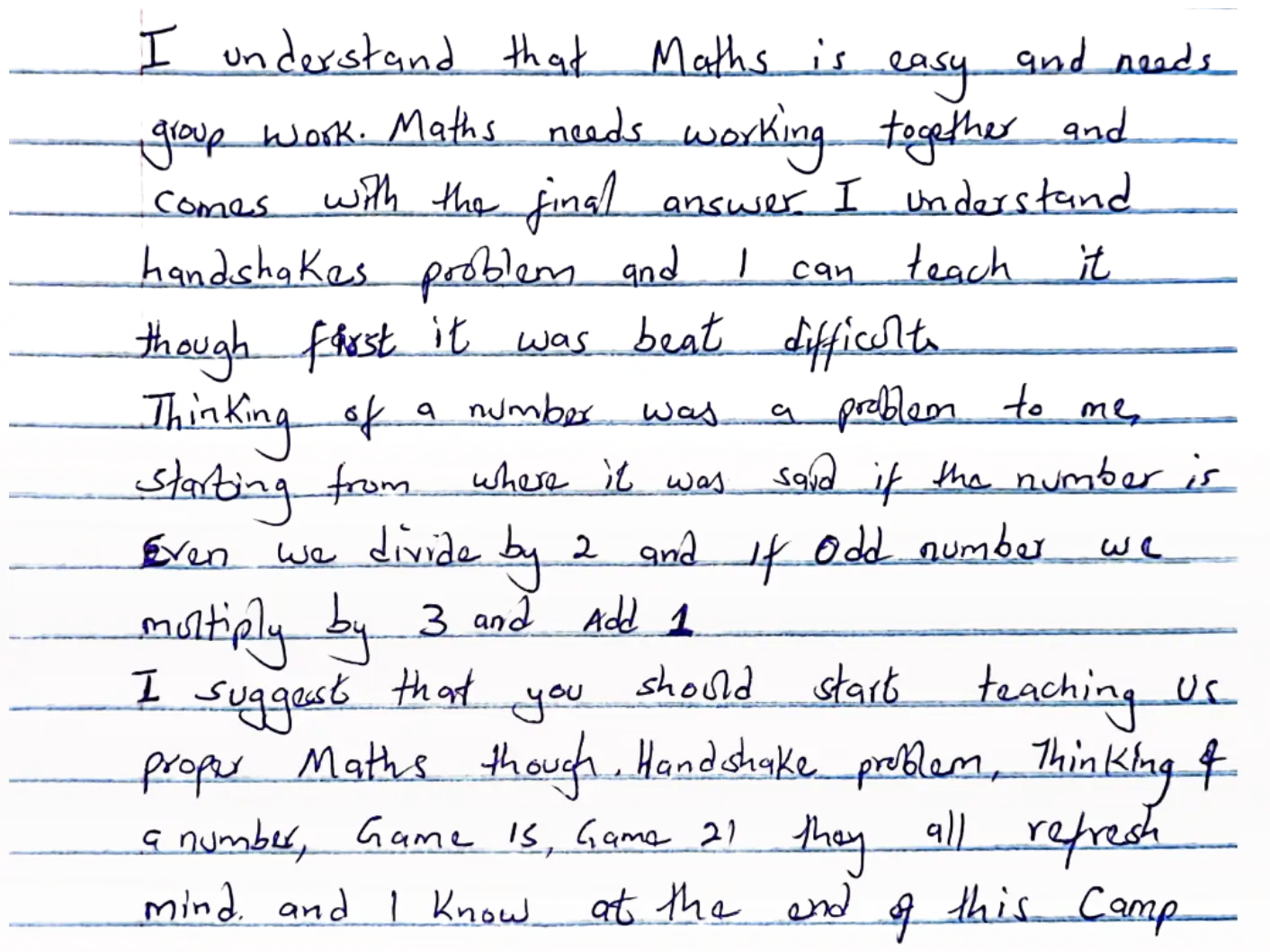
"I understand that math is easy and needs group work," said a student who attended the first Maths Camp in Nyarongi in August 2023. At these camps, students engage with mathematics through games, technology, and puzzles. The focus is on problem-solving, logic, and critical thinking.
The primary goal of Maths Camps is to shift the negative perceptions many students have towards mathematics. By the end of the camp, many students not only view math in a new light but also gain newfound confidence in their abilities. The camps are inclusive, promoting the belief that mathematics is for everyone. Students explore new aspects of the subject, discover real-world applications, and often leave with increased confidence in other subjects as well.
The enthusiasm generated by the Maths Camps has led to further initiatives, such as mini maths camps in schools and the formation of maths clubs. As one student expressed, "I thank God that I have understood all the sessions we have done, and now I can teach others." This excitement has naturally spread, with students sharing the ideas and knowledge gained from the camp with their peers.
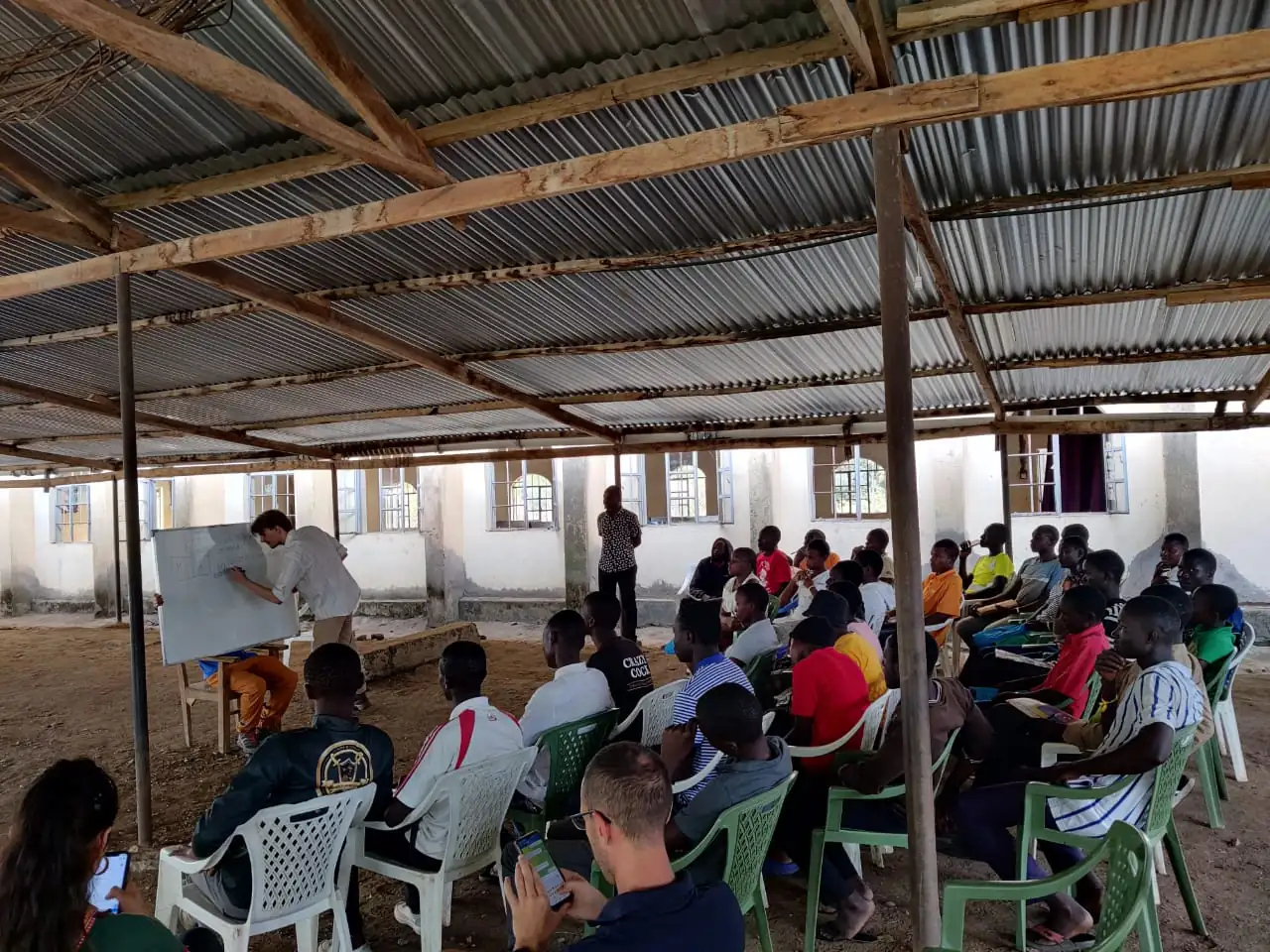
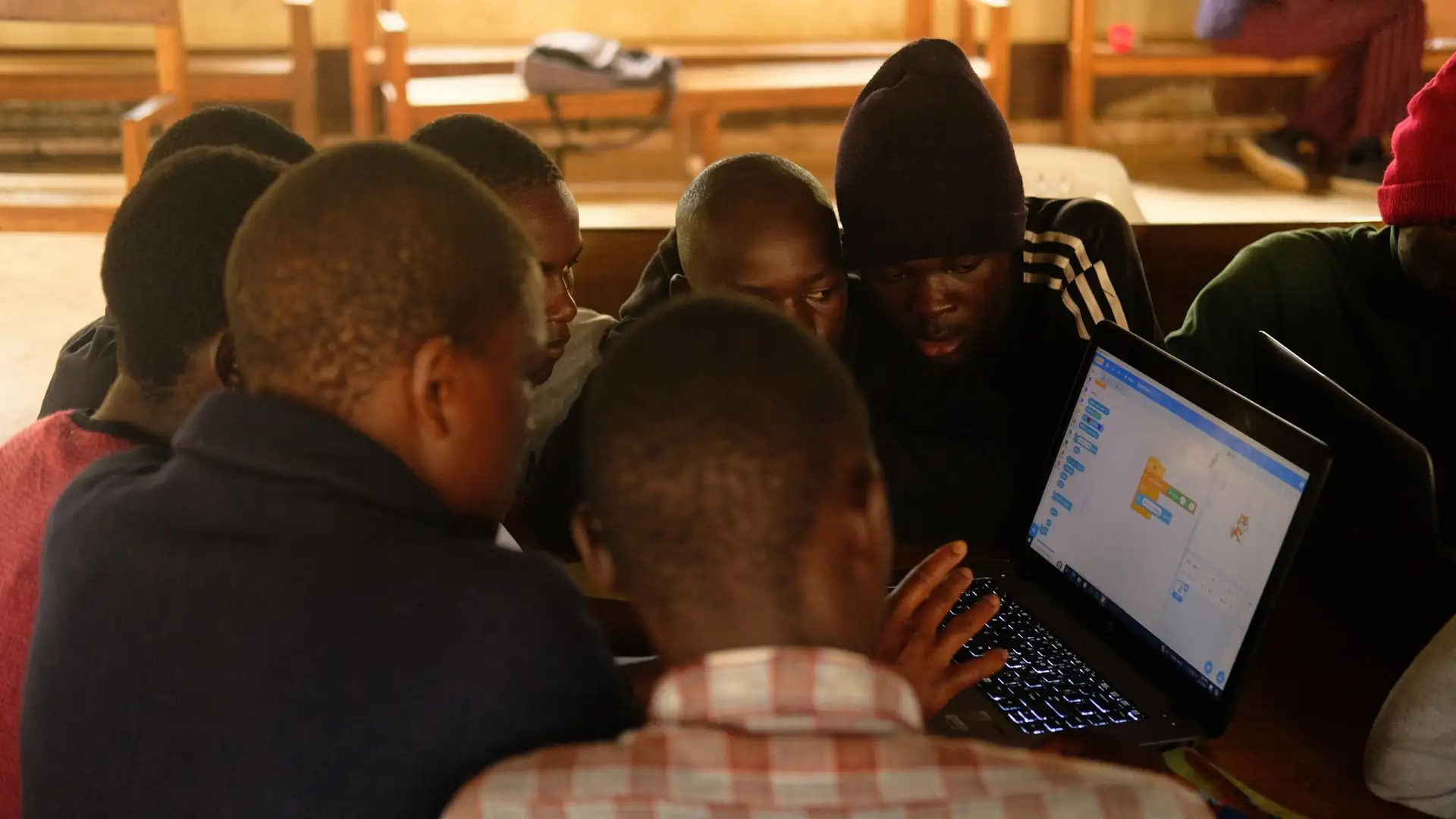
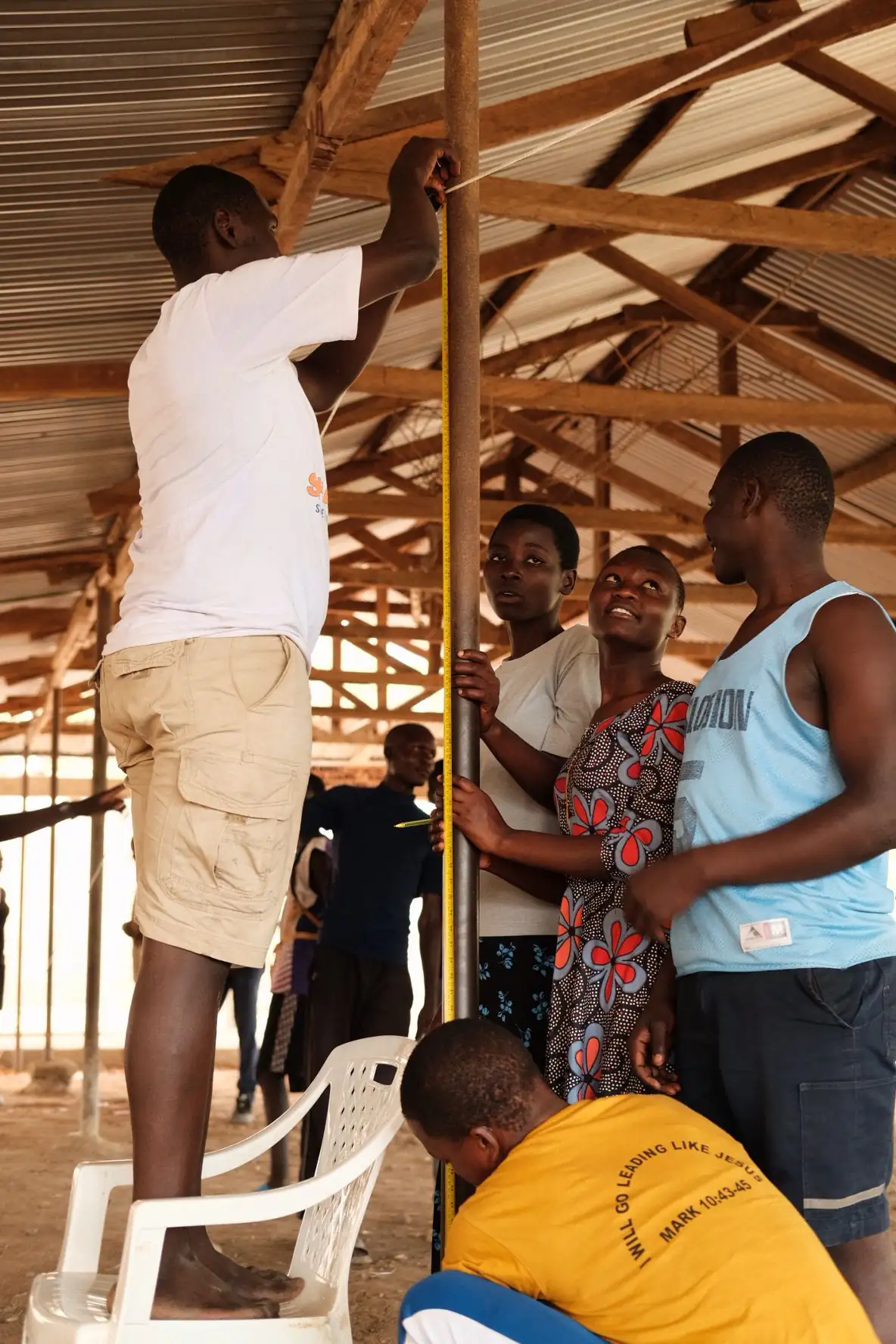
Nyarongi is a rural community with no library and no steady electricity. The Nyarongi SDA Church became the camp’s heart, the improvised innovation hub. Church pews became desks for laptops, empty walls became projection screens and a portable whiteboard was hung from a handmade stand. The Church Elders allowed this; they loved it. They saw that this "math camping" was just like their own annual camp meetings—a time for the community to come together for a purpose.
Over three years (2023–2025), a distinct rhythm began to form. We can call it the “Nyarongi Method.” It is loud, playful, and at the same time mathematically serious. Many of these learners struggle with timekeeping at first, and arriving late is common in the early days. But once they see how quickly the first day passes, something changes. They begin to keep time. They return earlier the next day, often bringing friends along.
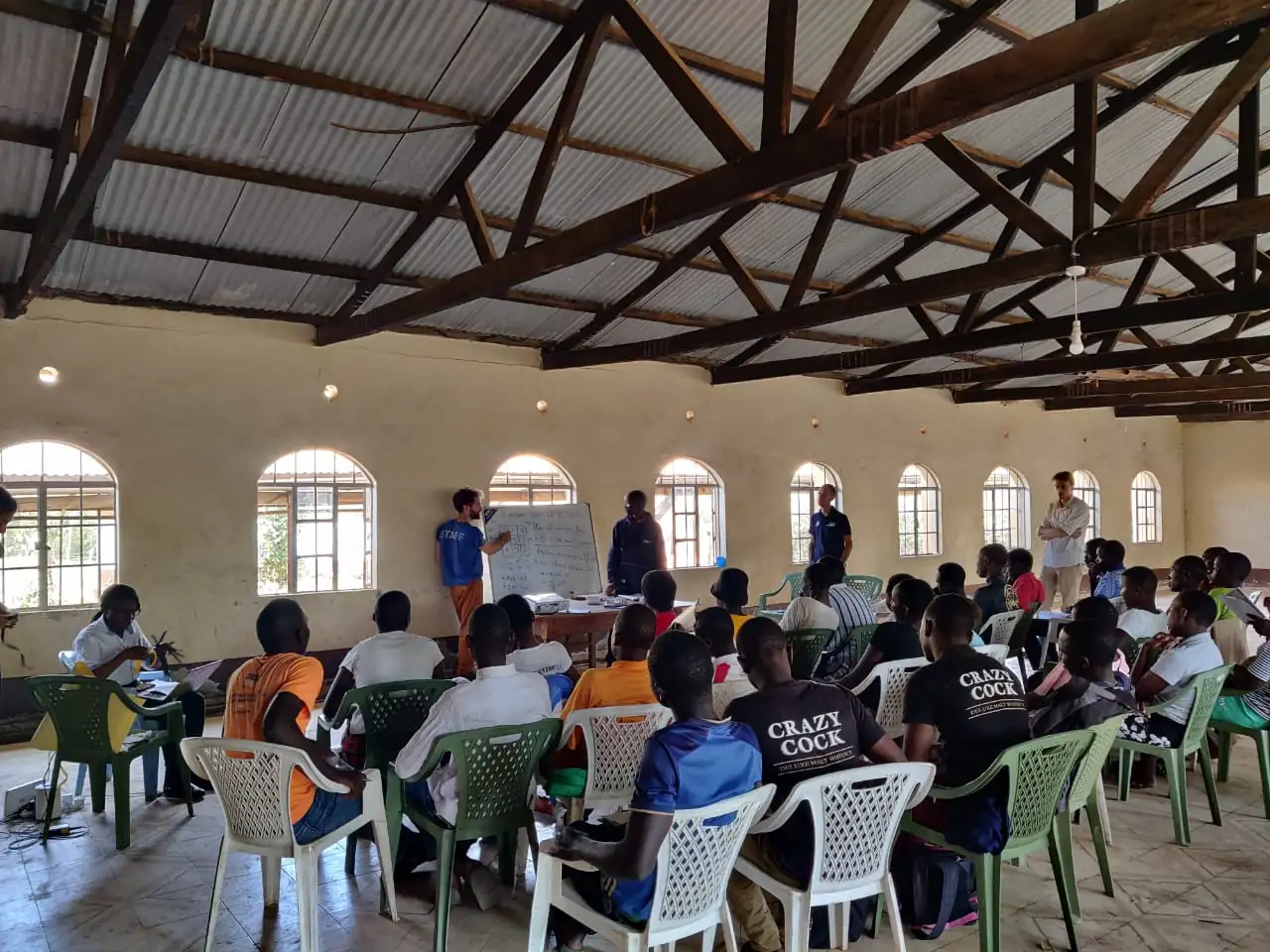
The students were recruited mainly through word of mouth. After a week of preparation and waiting, 33 students arrived on the first day in 2023, followed by 67 on the second day, and attendance later settled between 48 and 54 students through the rest of the camp. Over the years, younger siblings have followed their older brothers and sisters. Their numbers have grown so much that, in some cases, younger learners now outnumber the combined junior and senior school students. They have become an essential part of the camp and can no longer be overlooked.
Each day begins with short mathematical thinking exercises. These build speed and confidence, without the fear of being wrong. From there, students move into computational thinking through robotics. They work with Edison robots, flowcharts, and Scratch, learning that instructions have real consequences. Later come the deep-thinking sessions—logic puzzles, counting challenges, modelling tasks, data science ideas, and probability and combinatorics games. Slowly, mathematics becomes a language for curiosity.
The journals tell the story best. One student wrote, “Math is just a game and it’s fun.” Another wrote, “I can now teach others.”
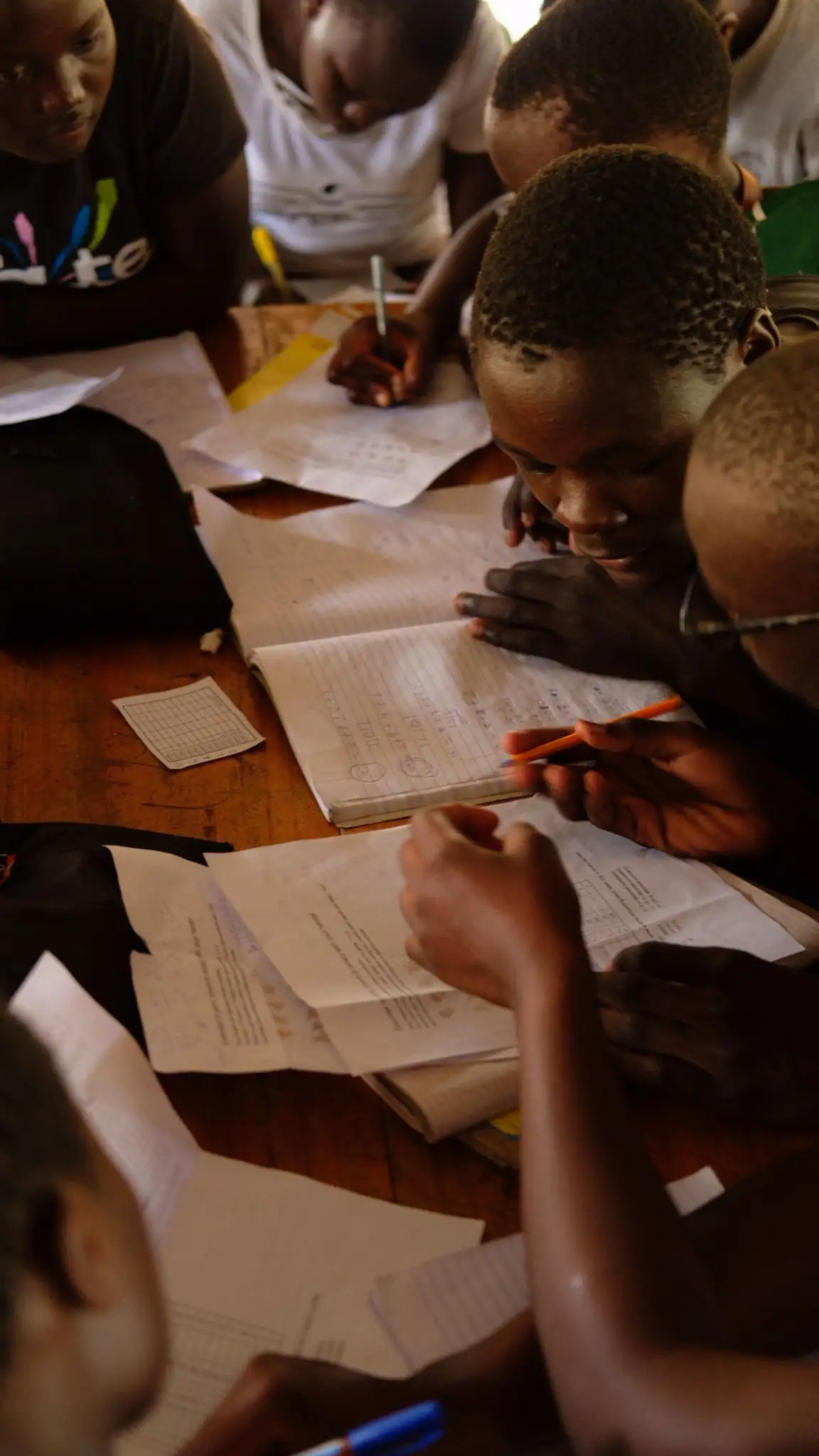
What started as one person’s dream is now a community legacy. Parents are noticing that their children are playing maths games with their younger siblings at home.
But one week a year is not enough. The dream for 2026 and beyond is to create a permanent Hub. The Nyarongi Math Camp started as a seed planted by gratitude. Three years later, it is becoming a forest that grew because of belief.