A New Chapter for Mathematics in Rwanda
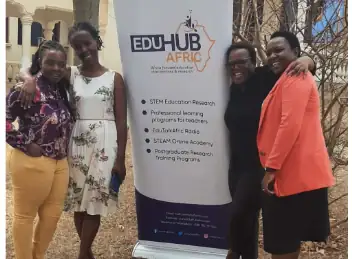
In 2023, EduHub Afric, working with SAMI, launched its first maths camp in Kigali, opening a new chapter for what community-rooted, joyful, and empowered mathematics education can look like in Rwanda, moving forward.
What made the camp different was who it served. The participants were mainly children of teachers. These students grow up in homes where learning matters, and their parents play a big role in shaping schools across Rwanda. By supporting their children, the camp also supported the teachers and the work they do every day.
From the start, the camp showed that there is a strong interest in learning maths in a more engaging way. The focus on teachers’ children helped create a comfortable space. Students arrived curious, and they found a style of learning that was active, light-hearted, and rooted in real thinking.
The camp received support from the University of Geneva and local companies. This mix of local effort and outside support helped make the event possible.
How the Model Took Shape in Rwanda
The camp followed SAMI’s usual principles, but local staff helped shape the activities to fit Rwanda.
1. Inclusivity: Everyone Can Learn Maths and Enjoy It
This idea guided the work. Activities were designed so all students could take part.
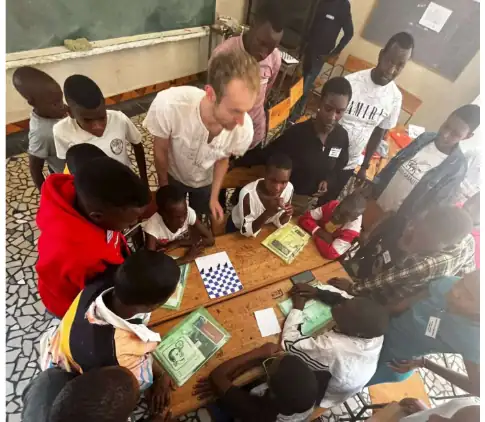
One example was the “Gazelle and Lions” game. It introduced ideas from combinatorial game theory in a simple way. Students collected data, tried strategies, and saw how complex maths can show up in everyday games.
2. Local Perspectives: Trusting Local Knowledge
The second principle was to value local teachers and volunteers. They led sessions and adapted activities to fit their context.
A good example was the Josephus Problem, used through a version called the Circle Game. Students counted, removed players, and searched for patterns. They were learning the basics of inductive reasoning without a long lecture or heavy language.
They learned through a game that they recognised. It was social and simple, but it encouraged real thinking.
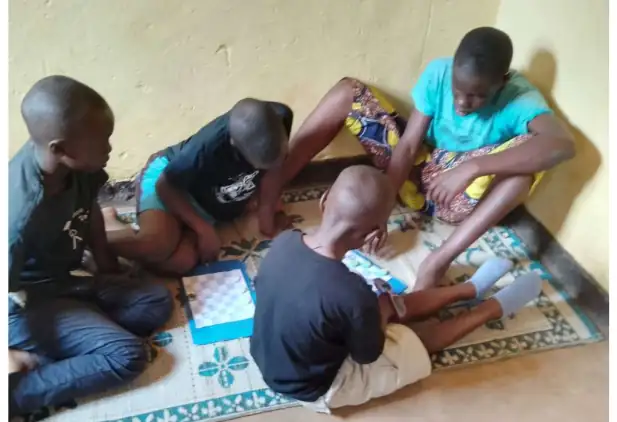
The Kigali camp was small in scale but meaningful in impact. It showed that students respond well when maths feels familiar and connected to their world. It also showed that local educators have the skill to lead this work in practical, thoughtful ways. There is room to build on this effort and reach more children and families.